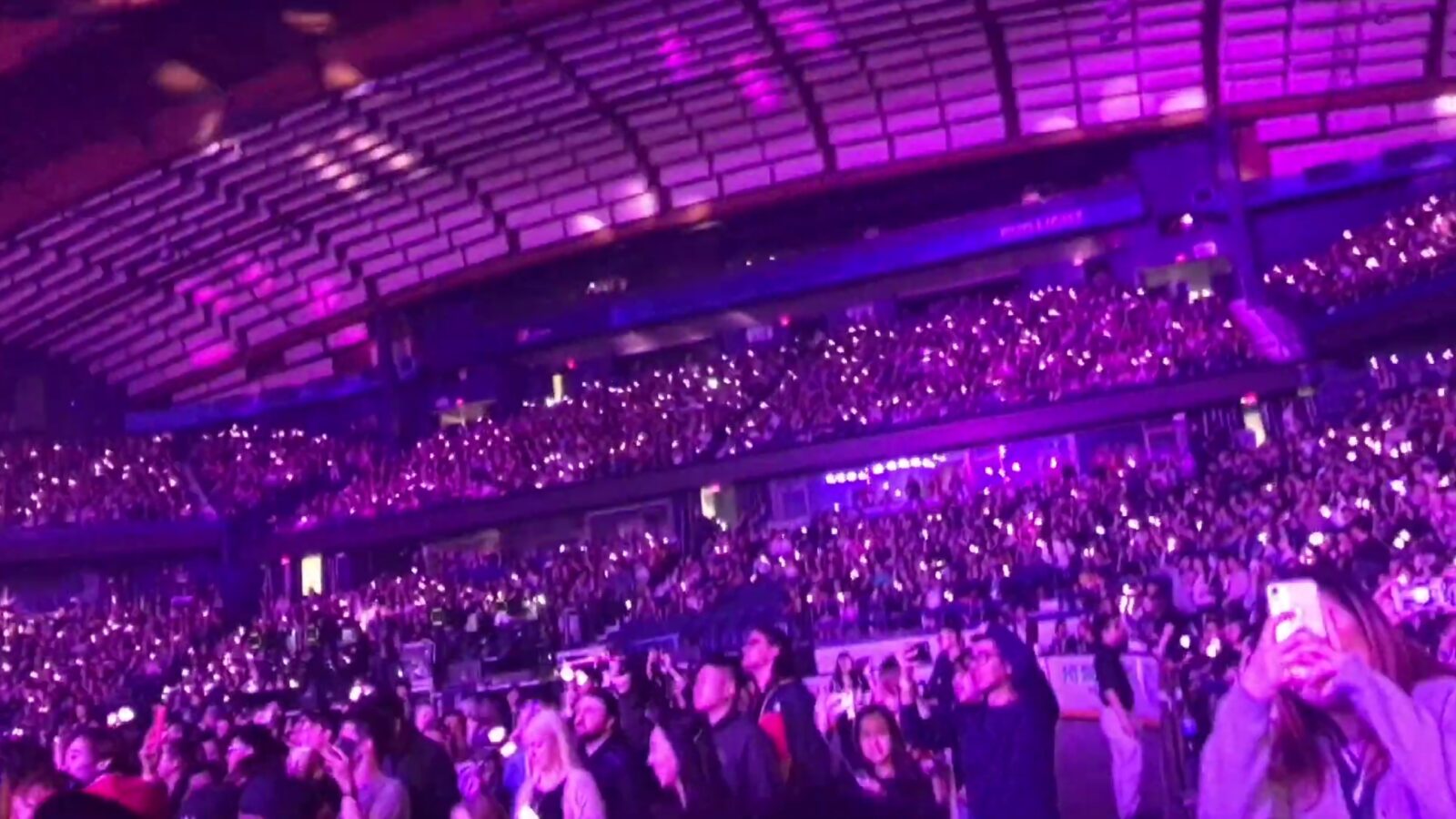
For the first time since signing individual contracts with YG Entertainment, BLACKPINK reunites as a full quartet for a 2026 world tour built around a three-act setlist that moves from group anthems through solo features and back to a unified finale. The staging puts all four members — Jisoo, Jennie, Rose, and Lisa — on a 360-degree platform with a 12-meter ascending lift and seven outfit changes per member. Here is how the show is built, what to listen for, and how to prepare before you walk into the arena.

Why this tour is different
BLACKPINK debuted in 2016 under YG Entertainment, and for most of the years since, the four members have toured as a single contracted unit. That changed when each member signed individual contracts. The practical effect for fans is simple: this is the first tour where all four return as a quartet after operating on separate solo tracks, and the setlist reflects that history rather than ignoring it.
Instead of treating the solo eras as a detour, the production folds them directly into the running order. The result is a show that works on two levels at once — group catalog for the people who came for the four-piece, and dedicated solo spotlights for fans who followed each member’s individual release.

The three-act setlist, explained
The show is organized into three acts. Think of it as a deliberate arc: open as a group, split into individual features, then converge again. You do not need to memorize a track-by-track list to follow it — knowing the shape of each act is enough to know when to expect a costume reset or a stage change.
Act One — the group opening
The first act establishes the quartet on the 360-degree stage. Because the platform faces every direction, there is no true “bad side” of the floor; members rotate their positions so that each section of the arena gets a front-facing moment. If you are choosing seats, this matters more than picking a single “front.”
Act Two — the solo features
The middle act is where the individual contracts era pays off. Each member takes a dedicated feature drawn from her solo work:
- Jennie — “Ruby”
- Lisa — “Alter Ego”
- Rose — “R”
- Jisoo — “Amortage”
This is the stretch where the 12-meter ascending lift earns its keep. A solo feature is the natural moment to isolate one performer above the crowd, and it is also when several of the seven per-member outfit changes happen — the gaps between group numbers and solo numbers give the wardrobe team room to reset.
Act Three — the reunion finale
The closing act brings all four back together. After an act built on separation, the payoff is the group reassembling on the same stage — a structural callback to the “first time as a quartet again” framing that defines the whole tour.

What to listen for if you’re new
If this is your entry point to BLACKPINK, you do not need a deep catalog to enjoy the night, but a little preparation makes the solo act land harder. Spend time before the show with the four solo features so you recognize them live:
- Start with Jennie’s “Ruby” and Rose’s “R” to get a feel for two different solo directions.
- Add Lisa’s “Alter Ego” and Jisoo’s “Amortage” so all four Act Two features are familiar.
- Then circle back to the group catalog — the songs you already half-know from the 2016-onward era will anchor Acts One and Three.
Going in with the solo tracks pre-loaded changes the experience of the middle act from “watching” to “singing along,” which is the entire point of how the setlist is sequenced.
Practical prep for the night
A 360-degree stage rewards different seat logic than a traditional end-stage show. Use these notes when you plan.
- Seat choice: Because the stage faces all directions and members rotate, side and rear sections see more direct-facing moments than they would at a one-sided stage. Floor seats near the central platform put you closest to the 12-meter lift; upper sections give you the full geometry of the 360 layout and the staging as a whole.
- The lift and sightlines: The ascending lift means some of the show happens well above floor level. If you are seated low and close, you will be looking up; if that bothers you, a mid-tier seat with a fuller view can be the better trade.
- Pacing your attention: Seven outfit changes per member means brief transitions are built into the run of show. Those are good windows to sit, hydrate, or check the merch line rather than worrying you are missing a number.
- Arrive early: Production this size loads in heavily, and entry, security, and merch all back up before doors. Build in buffer time.
Where to find official goods
For anything you actually want to keep, buy through official channels rather than venue-adjacent stalls. YG Entertainment is the agency behind BLACKPINK, so its official store and the tour’s authorized merchandise partners are the reliable sources for genuine items. Two general rules hold up well:
- Buy official, and buy early. Tour-exclusive items routinely sell out, and on-site lines move slowly. If a specific design matters to you, treat it like a separate ticket you need to secure.
- Verify before you pay. Confirm an item is sold through the official store or an authorized partner before handing over money, especially online. Unofficial resellers cluster around big tours, and a price that looks too good usually is.
Before you book
Treat this tour as a setlist you can study, not just a date on a calendar. Learn the three-act shape, pre-load the four solo features so Act Two hits, and choose your seat around the 360-degree stage and the 12-meter lift rather than a generic “as close as possible.” Do that, and the reunion of Jisoo, Jennie, Rose, and Lisa as a quartet reads as a structured performance you can actually follow — which is exactly how it was designed to be experienced.

Leave a Reply