
Season 3 closed the door on Gi-hun, and a lot of viewers are now staring at a finished show with the itch to do something about it. Rewatching is one option. Booking a flight is another. This guide takes the four impulses the series leaves behind — watch it properly, stand where it was shot, copy the skin, eat the food — and tells you what is actually achievable, and what is marketing.
Watch: get the season the show intended
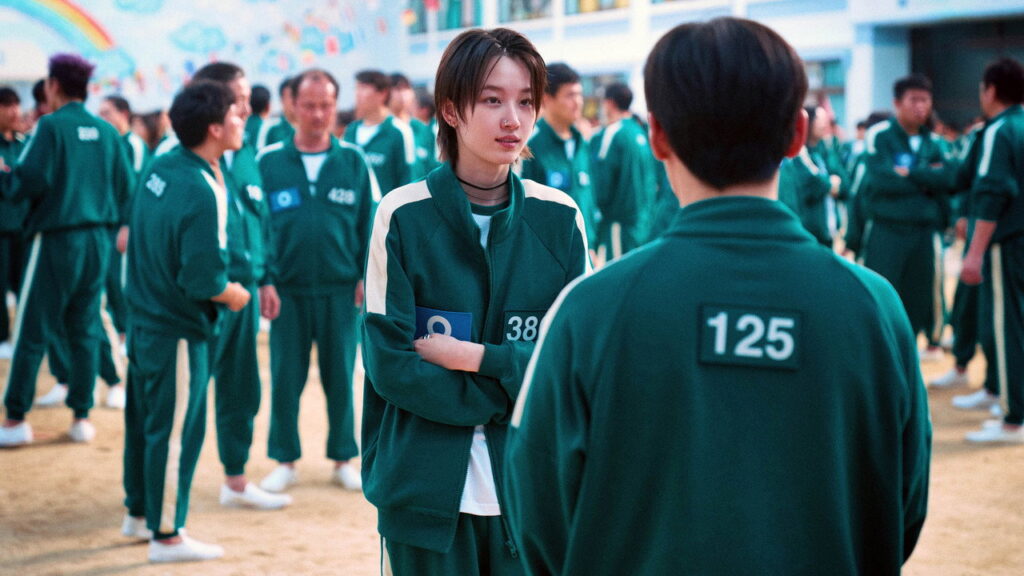
Squid Game is a Netflix global original, which means the platform is the whole story: there is no separate Blu-ray ritual, no theatrical run to chase. If you have Netflix, you have the show. The catch is region. Netflix licenses and surfaces titles differently by country, so the season order, the language menus, and the available subtitle and dub tracks you see depend on where your account is registered, not where you happen to be sitting.
Two settings are worth fixing before you press play. First, turn off the English dub if it defaulted on — it does on many accounts — and switch to Korean audio with subtitles. The performances carry information the dub flattens, and a fair amount of the dialogue’s menace lives in tone. Second, check whether your menu offers the “English [CC]” subtitle track versus the standard translation; the two are written differently, and the closed-caption version tends to be closer to what is actually said.
If you are planning to watch in Korea on a travel account, do not assume the catalog will match your home one. It may, it may not. Download the episodes you care about over hotel Wi-Fi before you go out for the day.
Go: which filming locations you can actually visit
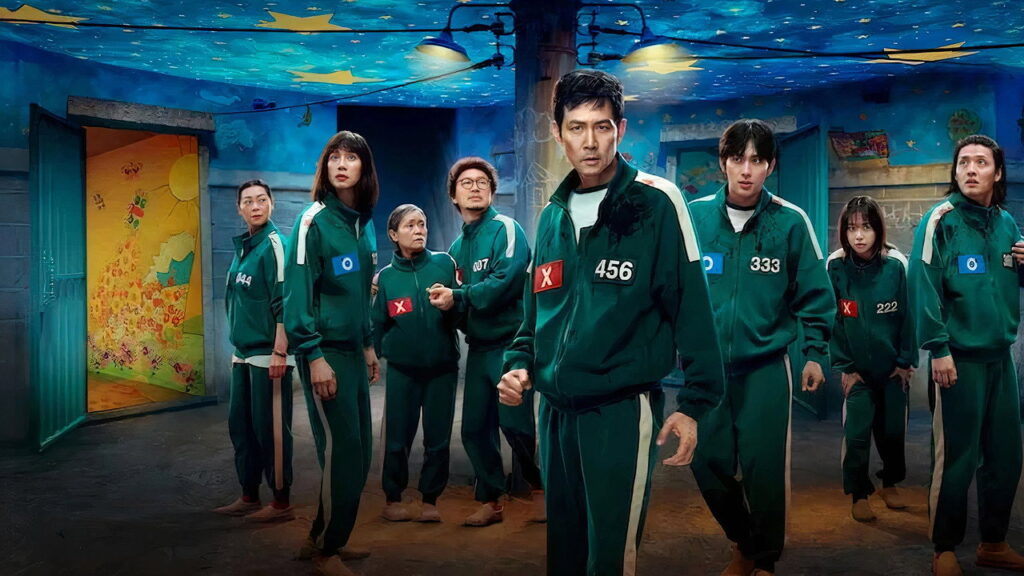
This is where expectations need managing. A large share of what made the show feel like the show — that pastel staircase, the sleeping-quarters bunk maze, the glass bridge — was built on soundstages. Those studio interiors are not open to the public. Neither is the green-and-pink subway entrance that bookends the story; the Seoul subway sequences were set work, not a station you can tap into with a transit card. If a tour promises to walk you through “the actual dormitory,” it is selling you a replica or a story.
What is real, and genuinely worth the trip, is on Jeju Island.
Seopjikoji
Seopjikoji is an open-air coastal headland on Jeju’s eastern edge, and it is free to enter. There are no turnstiles and no ticket booth for the landscape itself, which is exactly why it rewards an early start. Go at sunrise. The light comes in low across the grass and the sea, the coach tours have not arrived, and you get the cliffs more or less to yourself. By mid-morning it is a different, busier place. Wear shoes that handle uneven ground and wind that does not quit.
Seongsan Ilchulbong
Seongsan Ilchulbong, the tuff cone often called Sunrise Peak, sits close enough to Seopjikoji that you can reasonably pair them in one morning. It is a short, steep climb to the crater rim. Do Ilchulbong first for the sunrise hike if your legs are up to it, then drift over to Seopjikoji as the crowds thicken at the peak — or reverse the order and treat Seopjikoji as the calm opener. Either way, one eastern-Jeju morning covers both.
A practical note: Jeju is a full destination on its own, not a half-day side quest from Seoul. Budget at least a couple of days, rent a car or line up taxis in advance, and treat the filming spots as anchors rather than the entire itinerary.

Glow: the bare-faced look, decoded
The on-screen aesthetic that people keep trying to reverse-engineer is not a makeup look at all — it is a skin look. Korean beauty’s current center of gravity is bare-faced and skin-first: low or no foundation, visible texture allowed, the focus pushed onto the surface underneath rather than coverage on top. The goal is skin that looks lit from within, not painted.
I am not going to tell you a specific actor swears by a specific bottle, because that claim is almost always invented for ad copy. What I will tell you is where to start if you want the effect.
Start with an essence
The entry point is essence — a lightweight, watery hydrating step that goes on after cleansing and before heavier creams. It is the layer that does the most to create that dewy, even base, and it is the most beginner-friendly piece of a Korean routine because it is hard to overdo.
- How to use: Cleanse, then pat a few drops of essence into damp skin with your hands rather than a cotton pad. Damp skin holds it better.
- Layer up: Hydration responds to repetition. Two or three thin passes beat one thick one.
- Seal it: Follow with a moisturizer so the water you just added does not evaporate straight back off.
- Who it suits: Nearly everyone, but it is especially good for dull, dehydrated, or travel-stressed skin.
- Who should go slow: If you have a reactive or fragrance-sensitive complexion, patch-test first and choose a simple formula.
Results here are cumulative, not overnight. Expect the surface to look plumper and more reflective within a week or two of consistent use; the “glow” is hydration plus restraint, not a single miracle product.
Eat: yasik, the late-night reward
Watching this series tends to end late, which makes it a fitting excuse for yasik — Korean late-night comfort eating, the meal you have when the day is technically over and you want something warm anyway. Yasik is less a menu than a mood: convenience-store ramyeon, fried chicken, anything bubbling and a little indulgent, eaten well after dinner.
The dish I would steer you to is kimchi jjigae, the kimchi stew that doubles as a national reset button. It is forgiving, it is fast, and it is better the more aggressively sour your kimchi is.
- Use properly fermented, sour kimchi — older is better here. Fresh, sweet kimchi makes a flat stew.
- Slice the kimchi and sauté it for a few minutes in a little oil before adding liquid. This builds the deep, savory base.
- Add pork belly (or tuna for a lighter version), then water or anchovy stock, and bring to a hard simmer.
- Season with a spoon of gochugaru and gochujang to taste, then let it simmer 15 to 20 minutes so the flavors marry.
- Add tofu near the end so it stays intact, and finish with scallions.
The common mistake: rushing it. A five-minute kimchi jjigae tastes thin and sharp. The fix is time — that 15-to-20-minute simmer is where harsh edges turn round. Substitutions: no pork, use canned tuna or just more tofu; too spicy, cut the gochugaru and lean on the kimchi itself. Serving: a bowl of short-grain rice on the side, non-negotiable, plus the rest of your banchan if you have them.
Where to go next
Each of these four threads opens into a fuller guide worth following before you commit time or money. If Jeju is calling, read our dedicated Jeju itinerary so the filming stops slot into a real trip rather than a rushed detour. If the skin-first look is what hooked you, our COSRX guide breaks down which formulas earn the hype and how to build a routine around an essence. And if you want to cook your way into the mood tonight, our kimchi guide covers sourcing, fermentation, and the stew above in more depth. Pick the one that matches the itch the finale left you with, and start there.


Leave a Reply