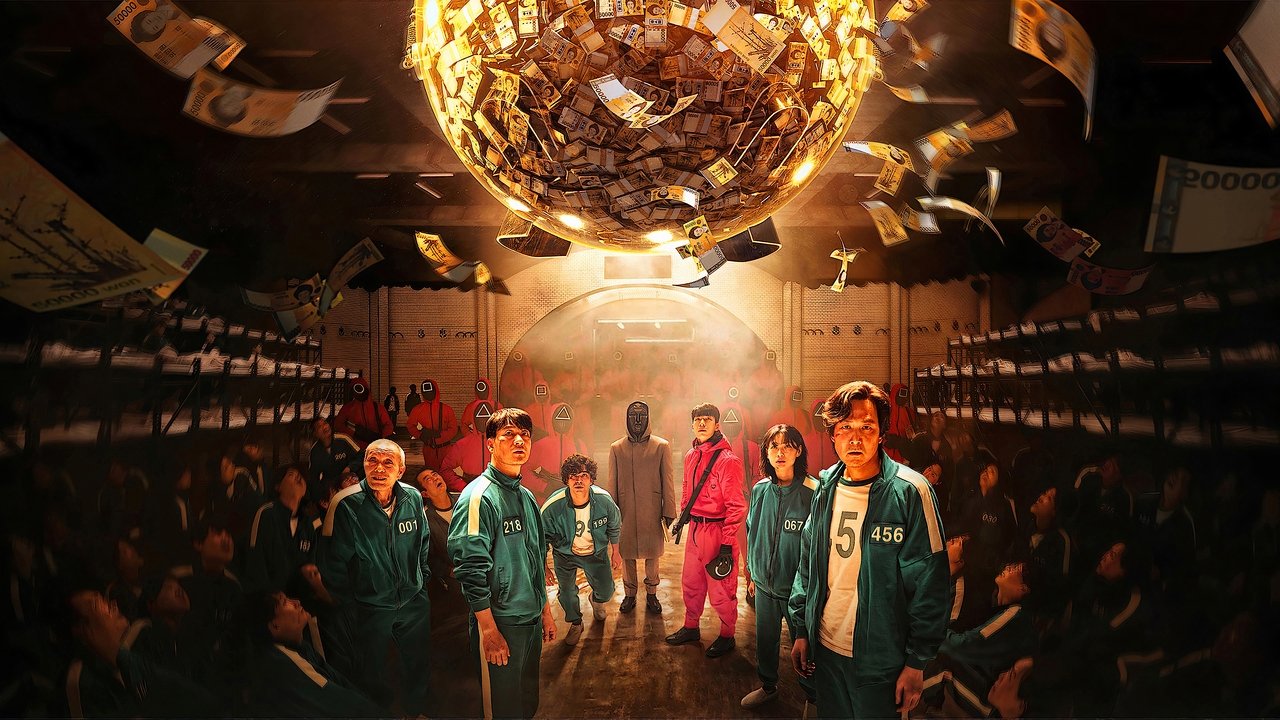
Season 3 reportedly opens roughly three months after the events of Season 2, with Lee Jung-jae’s Seong Gi-hun dragged back toward a game he swore he’d burn down. The season is built around nine episodes set to land on Netflix in 2026, and early word points to tighter character work over raw shock value. Treat the specifics below as preview-level until the episodes are in front of you. What follows covers where to watch, which filming spots you can actually visit, and why the score is doing more heavy lifting than usual.
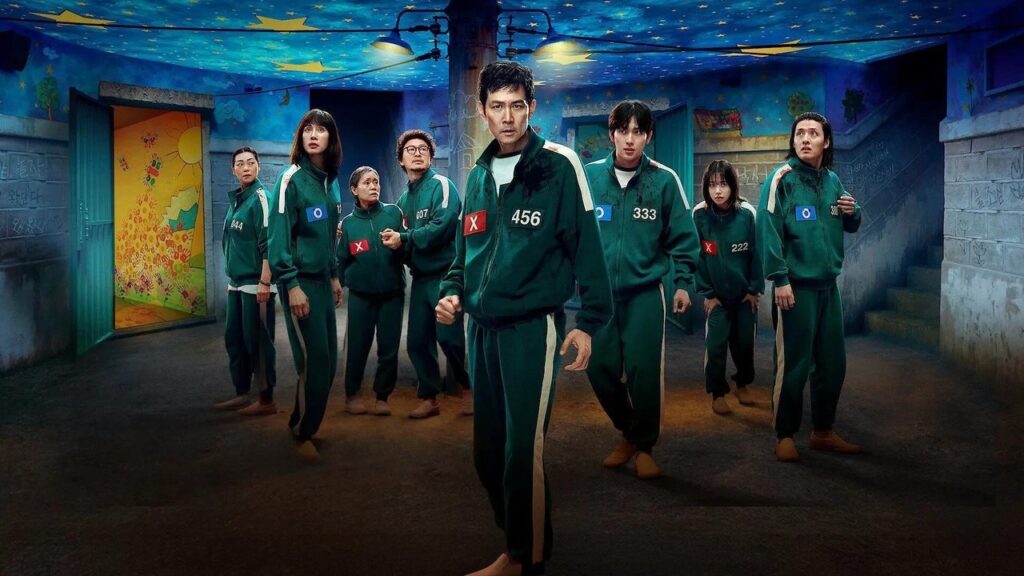
The premise, spoiler-aware
If you’ve seen the first two seasons, you know the shape of things: desperate people, childhood games turned lethal, and a moral arithmetic that keeps shifting. Season 3 reportedly picks up the thread without resetting it. Gi-hun returns changed, and the five new games are said to be reimagined from Korean schoolyard play rather than invented from scratch — the kind of contests anyone who grew up on a Seoul playground would recognize, now scaled up and weaponized.
That sourcing matters. The original season built its dread on the gap between innocent memory and brutal stakes, and this batch appears to lean harder into that contrast. The returning ensemble does a lot to carry it. Park Hae-soo and Wi Ha-jun are both back, and Im Si-wan joins the rotation of faces you’ll be tracking from one round to the next. I’ll keep plot mechanics under wraps — partly out of spoiler caution, partly because much of the detail remains preview-level — but the season is reportedly built to spend real time on consequences rather than stacking new horrors.
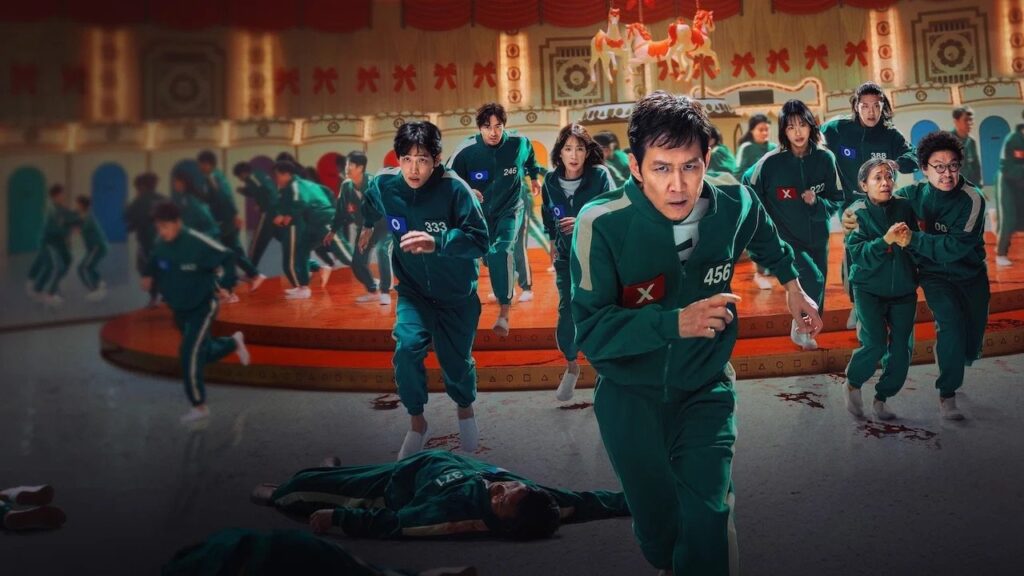
Where to watch, by region
Squid Game has always been a Netflix exclusive, and Season 3 is no different. There’s no separate rental, no theatrical window, no broadcast partner to chase down. If you have a Netflix subscription, you have the show.
- United States: On Netflix. All nine episodes are slated for the platform; any active plan tier should give you access, though the higher tiers unlock 4K where your hardware supports it.
- Japan: On Netflix, expected with Japanese subtitles and a dub. Worth toggling between the two — subtitle tracks tend to preserve more of the wordplay in the game names.
- Mexico: On Netflix, with Latin American Spanish subtitles and dubbing.
- South Korea: On Netflix in the original Korean. If you’re studying the language, Korean audio with Korean subtitles is the closest thing to a study guide the show offers.
A practical note for binge-watchers: Netflix’s pattern with this franchise has been to drop a full batch at once, so expect to manage your own pacing rather than a weekly wait. Set aside two evenings rather than one — a nine-episode season rewards being felt in chunks, not swallowed whole at 2 a.m.
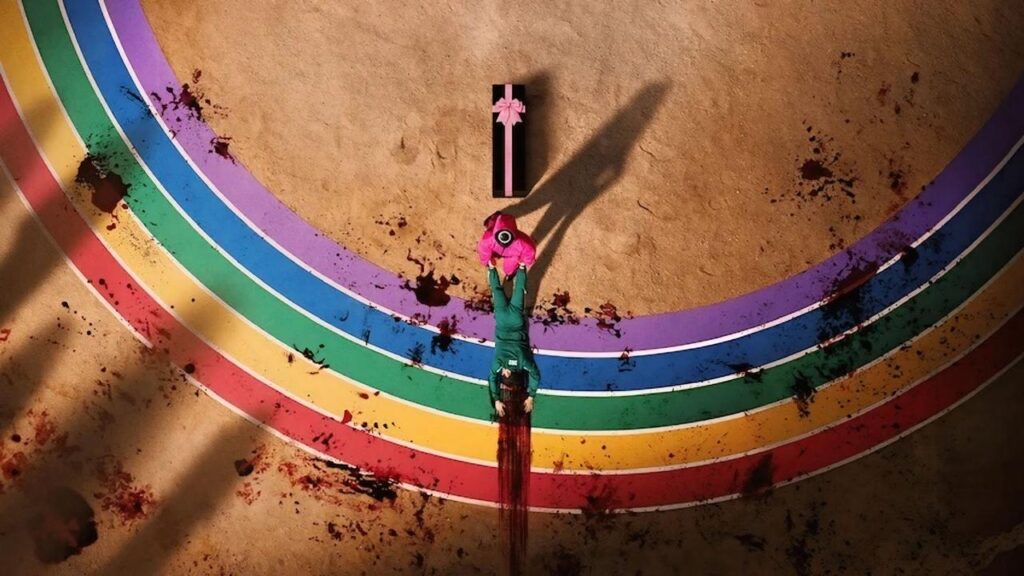
Filming locations you can actually visit
Part of the appeal of this franchise is that several sets are real places you can stand in. Three locations anchor Season 3, and two of them are open to the public without any special arrangement.
Jeju, Seopjikoji
The season’s coastal game was shot at Seopjikoji, the grassy cape on the eastern end of Jeju Island. It’s a genuine tourist destination in its own right — wind-bent fields, dark volcanic rock, and a lighthouse — so you can build a half-day around it. Go early. The light is better, the crowds are thinner, and the same cliffs that read as ominous on screen photograph as merely beautiful in the morning. Rent a car; Jeju’s bus network reaches the area but eats time you’d rather spend walking the headland.
Seoul, Hongik University Station
A subway chase sequence runs through Hongik University Station, in the heart of the Hongdae district. This one’s easy: it’s a working stop on the Seoul Metro, so you can ride straight to it. The surrounding neighborhood is dense with cafes, street performers, and late-night food, which makes it a natural anchor for an evening rather than a quick photo stop. Don’t try to recreate the chase — it’s a busy station and you’ll just annoy commuters — but the platforms and exits are recognizable.
Hwaseong studio interiors
The interior sets — the parts that define the show’s look more than any exterior — were built at studios in Hwaseong, southwest of Seoul. These are closed production facilities, not a visitor attraction, so treat this as context rather than an itinerary item. If you’ve wondered why the dormitory and arena spaces feel impossibly large and clean, it’s because they were purpose-built soundstages, not found locations.
Cast and the dalgona thread
The acting core stays familiar. Lee Jung-jae remains the center of gravity as Gi-hun, and Park Hae-soo and Wi Ha-jun give the season its connective tissue to earlier installments. Im Si-wan’s presence shifts the dynamic enough to keep returning viewers from coasting on assumptions about who survives what.
One visual motif carries over and earns its keep: the dalgona candy. The honeycomb sugar treat — pressed flat, stamped with a shape, and gambled on with a needle in Season 1 — has functioned as a recurring symbol rather than a literal game. It’s the show’s shorthand for the whole premise: something small and sweet from childhood, sharpened into a test you can fail fatally. In this franchise, the placement of that motif has rarely been accidental.
The score, and why it stands out
Composer Jung Jae-il returns to score the season, and the reported direction is the most interesting musical choice the franchise has made. Rather than leaning on orchestral menace, the work is said to lean into gugak — traditional Korean instrumentation and tonalities. That decision rhymes with the season’s whole concept. If the games come from Korean childhood, music drawn from Korean tradition closes the loop.
What makes the approach worth flagging is texture. Mass-market thriller scoring tends to sand off the rougher edges of regionally specific instruments in favor of a smooth wall of tension. A gugak palette does the opposite — it keeps the grain, and that instinct extends Jung’s earlier ear for letting a single, plain melodic idea do disquieting work.
If you want a quick read on what kind of show Season 3 is reaching for, listen to how the gugak-leaning passages sit against the on-screen violence. The contrast — old, familiar sounds under modern cruelty — is the same trick the games themselves are built on.
Expect the score to surface on the usual music platforms alongside the series, which means it should reward a listen away from the picture. Standalone replay value is more than most TV soundtracks can claim.
What to do once you’ve finished
If the season leaves you wanting more, the obvious move is a rewatch of Season 2 with that roughly three-month gap in mind — the early scenes should hit differently once you know where the characters land. Beyond the franchise, the gugak-forward scoring is a doorway worth walking through: seek out recordings built on traditional Korean instruments and you’ll hear the lineage Jung Jae-il is drawing on. And if you travel for sets, scout Seopjikoji and Hongik University Station now, before the crowds thicken. Early reception has been strong; if it holds, treat your first watch as the start, not the finish.

Leave a Reply