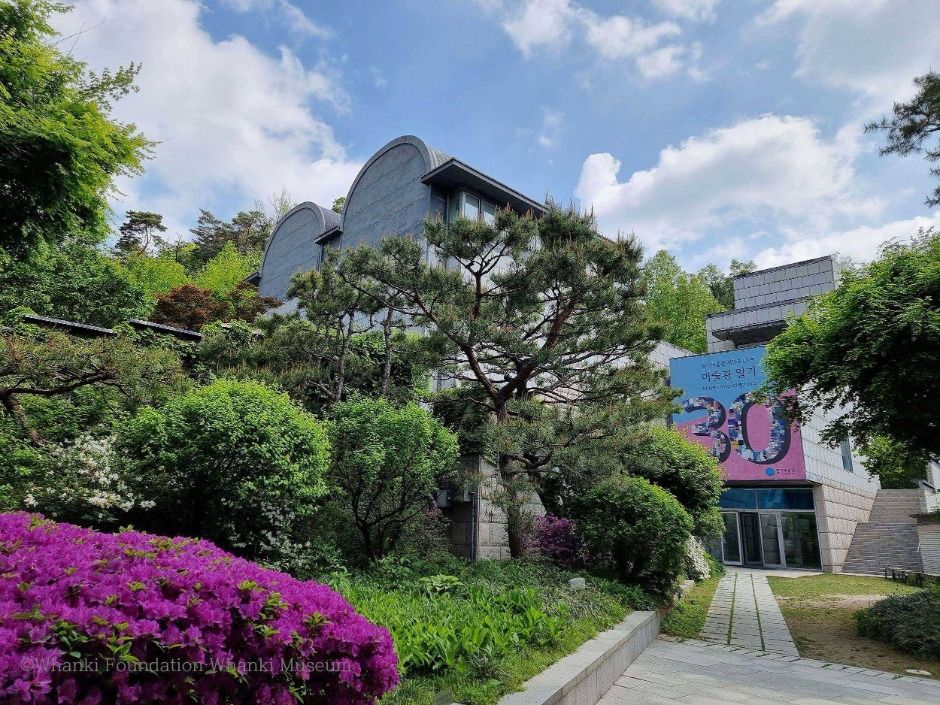

Buam-dong (부암동) has no subway station, which is half the reason it still works. Tucked into the valley where Bugaksan (북악산) and Inwangsan (인왕산) meet, just behind Gyeongbokgung and the old Blue House, it sat for decades inside a fortress green belt and a presidential security zone where building was restricted. The result is a pocket of northern Seoul that locals describe as “not really feeling like Seoul” — low-rise homes, winding lanes, hanok, art museums, and a forested ravine, all a short bus ride from the city center. This is how to walk it in a single day: the order, the times, the fees, and the one meal to plan around.
Getting there
Take Subway Line 3 to Gyeongbokgung Station, leave by Exit 3, and catch a green local bus up the hill — route 1020, 7022, or 7212. Get off at Jahamun-gogae (자하문고개·윤동주문학관) for Changuimun and the Yun Dong-ju museum, or stay on to Buam-dong Community Service Center (부암동주민센터·무계원) for the village center. The 7212 can run irregularly at rush hour because the pass road is narrow, so a taxi from the station is a short, cheap backup. Buam-dong is a hill, so plan the day to lean downhill.
Start high: Changuimun, Yun Dong-ju, and Poet’s Hill
Changuimun (창의문), also called Jahamun, is one of the four small gates in Seoul’s old fortress wall — and the best preserved, the only one to keep its original Joseon wooden gate tower, complete with carved roosters under the eaves. It’s the trailhead for the Bugaksan and Inwangsan wall paths if you want a climb and a skyline. Just below sits the Yun Dong-ju Literature Museum (윤동주 문학관), cleverly built in 2012 out of a disused water-pressure pumping station to honor the beloved poet who died in 1945. Admission is free (Tue–Sun, 10:00–18:00, closed Mondays). Behind it, Poet’s Hill (시인의 언덕) is a breezy ridge with a rock engraved with Yun’s “Prologue” and a wide view back over the city. Note the nuance: these two are technically in adjacent Cheongun-dong, right on the Buam-dong line.
Down into the village: Mugyewon and lunch
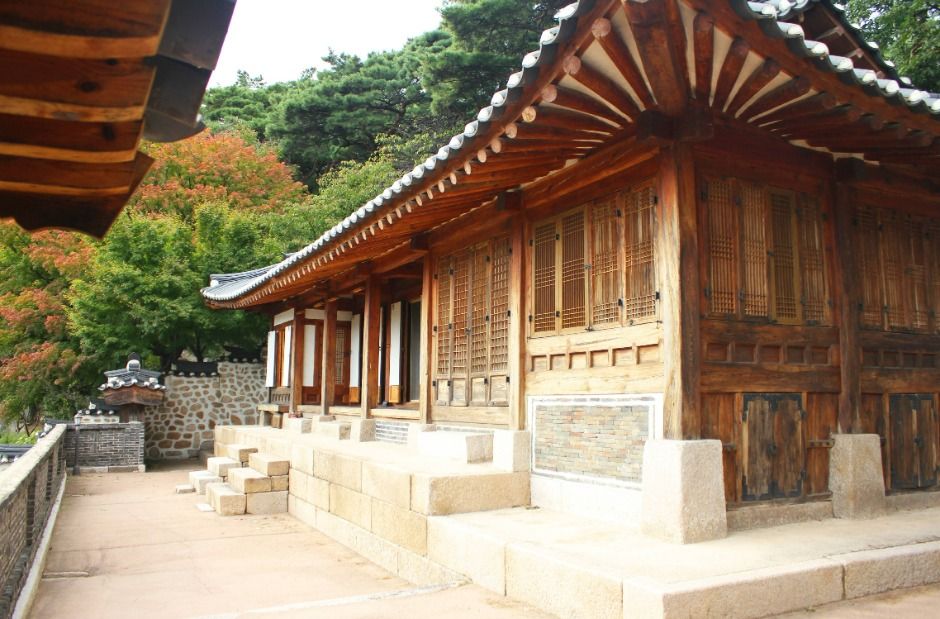
Walk down into the village center for Mugyewon (무계원), a quiet hanok culture space opened in 2014 near the site of Mugyejeongsa, the secondary villa of Prince Anpyeong, the third son of King Sejong. There’s a genuine connection here to another old-Seoul neighborhood: its timber was salvaged from Ojinam, a dismantled historic restaurant in Ikseon-dong — so if you walk both, you’re literally seeing the same beams twice. The courtyard is free to wander.
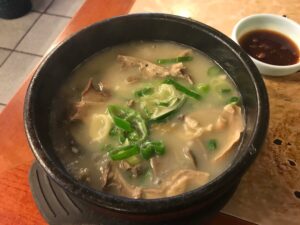
For lunch, the neighborhood’s signature stop is Jaha Sonmandu (자하손만두), a handmade-dumpling house listed in the Michelin Guide and serving the area since 1993. The wrappers are hand-rolled, the broth is clear and light, and it’s seasoned with house Joseon-style soy sauce and no MSG. Order the tteok-mandu-guk (rice-cake dumpling soup, around 20,000 won) or the kimchi dumplings. It’s at 백석동길 12, open Tue–Sun 11:00–21:00, closed Mondays, and can have a wait at peak times.
Two villas and a museum
A few minutes on is Seokpajeong (석파정), the garden villa of Heungseon Daewongun, the late-Joseon regent and father of King Gojong; the name comes from his pen name, Seokpa. It sits on the Inwangsan foothills with a Joseon garden, an old pavilion, and a much-photographed ancient pine, mixing Korean and Qing-Chinese touches. It shares its grounds and ticket with the private Seoul Museum (서울미술관), opened in 2012, which runs special exhibitions of modern Korean art. Adult admission is roughly 11,000 won (the Seokpajeong garden is free with the ticket); it’s open Wed–Sun and closed Monday and Tuesday, so this is the stop most likely to derail a plan — check the day before.
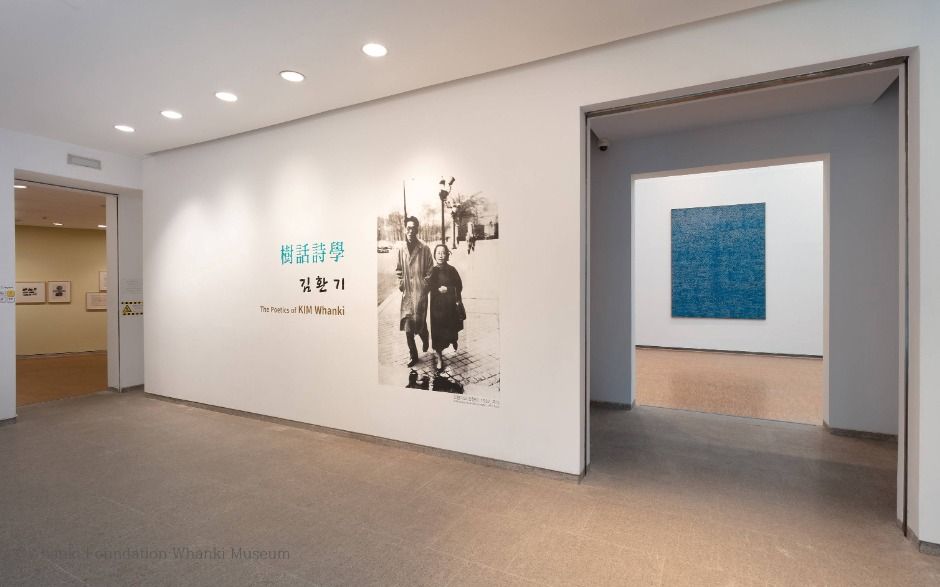
Then the Whanki Museum (환기미술관), a private museum opened in 1992 and dedicated to Kim Whanki, one of Korea’s foremost abstract painters, known for his blue dot-paintings. The building was designed by architect Kyu Sung Woo. It’s ticketed and open Tue–Sun, 10:00–18:00 (last entry 17:00), closed Mondays; admission varies by exhibition, so confirm the current show before you go.
Finish in the hills: a cafe and a hidden valley
Cafe Sanmotungi (산모퉁이) is the hilltop spot that appeared as the lead’s house in the 2007 K-drama Coffee Prince, and it still leans into it with show memorabilia and big open views toward Inwangsan and Bugaksan. Be honest with yourself: you’re paying for the view and the atmosphere more than the coffee. It’s at 백석동길 153, open roughly 11:00–18:50.
From there, drop into Baeksasil Valley (백사실계곡), officially Scenic Site No. 36, “Baekseok-dongcheon.” A Joseon scholar’s villa once stood here — a former lotus pond and the foundation stones of a hexagonal pavilion remain. The romantic story that the statesman Baeksa Yi Hang-bok owned it is now doubted; 2012 research instead points toward the calligrapher Chusa Kim Jeong-hui. More importantly, this is a designated ecological protection area and a rare clean stream inside the old city walls, home to salamanders, fire-bellied toads, and crayfish. Stay on the path, don’t touch the wildlife, and expect lower sections to be fenced off — the closures protect the salamander habitat, not visitors. A loop from Sanmotungi through the valley and back runs about 1.5 hours.
When to go, and how it fits
Late spring through early summer is leafiest, and autumn foliage is the other peak; the unpaved valley path turns muddy after rain, so wear real walking shoes. Most museums close Mondays (Seoul Museum closes Mon and Tue), so a midweek-or-weekend visit avoids the most disappointment. Buam-dong also slots neatly into Seoul’s “slow neighborhoods” circuit: it shares the Gyeongbokgung-Station entry with Seochon just downhill to the west and the hanok alleys of Ikseon-dong a few subway stops away — three walkable corners of an older Seoul that the skyline mostly skipped.
Where to eat in and near Buam-dong
Buam-dong is a quiet, scenic hillside village tucked below Bugaksan, and its food scene leans toward long-running classics and view cafes rather than flashy newcomers. Here are a few representative spots that locals and guidebooks keep coming back to.
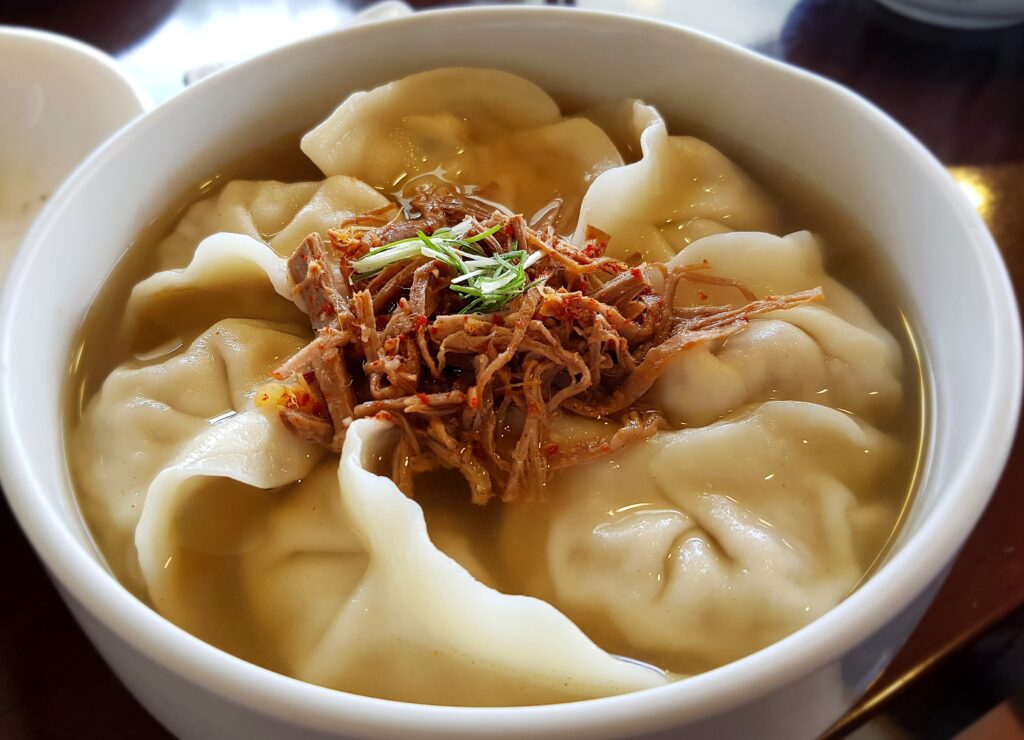
- 자하손만두 (Jaha Sonmandu) — The area’s signature meal. This North Korean-style dumpling house has been hand-folding thousands of mandu daily since 1993 and holds a Michelin Bib Gourmand; go for the kimchi mandu and the comforting tteok-mandu-guk (rice-cake dumpling soup).
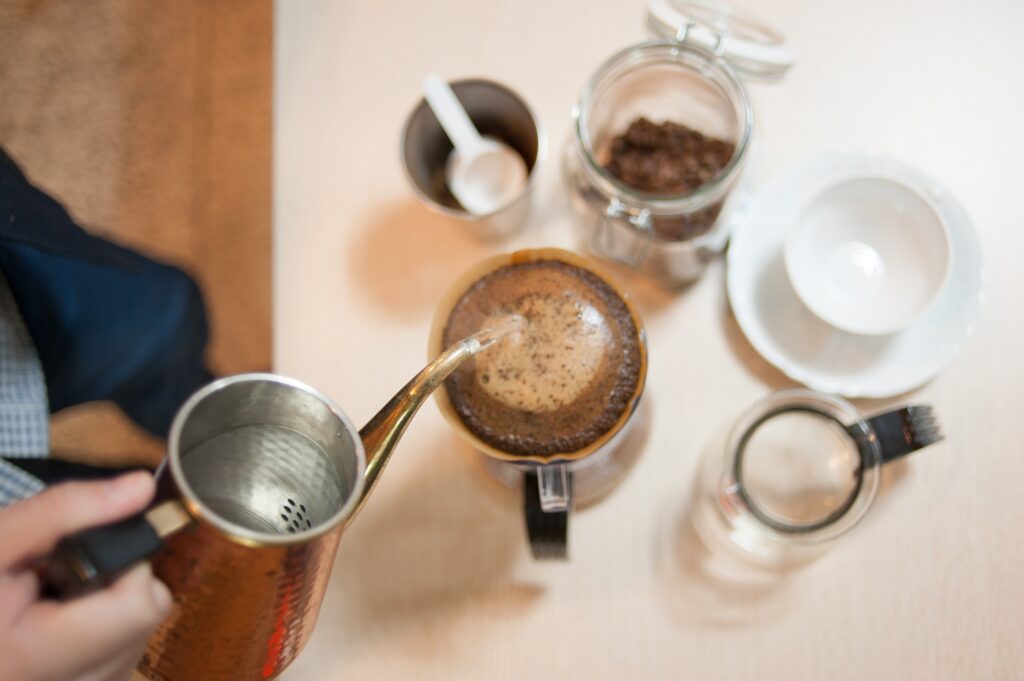
- 클럽에스프레소 (Club Espresso) — One of Seoul’s pioneering specialty coffee roasters, in Buam-dong since 2001. You can pick your bean origin for a hand drip or try the house “Moon Blend,” and buy fresh-roasted beans to take home — a genuine roaster, not a trendy photo cafe.
- 산모퉁이 (Sanmotoonge) — A hillside cafe (not a full meal) made famous as a filming location for the drama Coffee Prince. Come for coffee or tea on the open terrace and the sweeping views over Inwangsan and Bugaksan.
Please verify opening hours and weekly closing days before you go — Jaha Sonmandu, for example, typically closes on Mondays, and the smaller Buam-dong cafes keep shorter hours. Some longtime Seoul eateries have relocated or closed in recent years, so a quick check the day of your visit is always worth it.

Leave a Reply