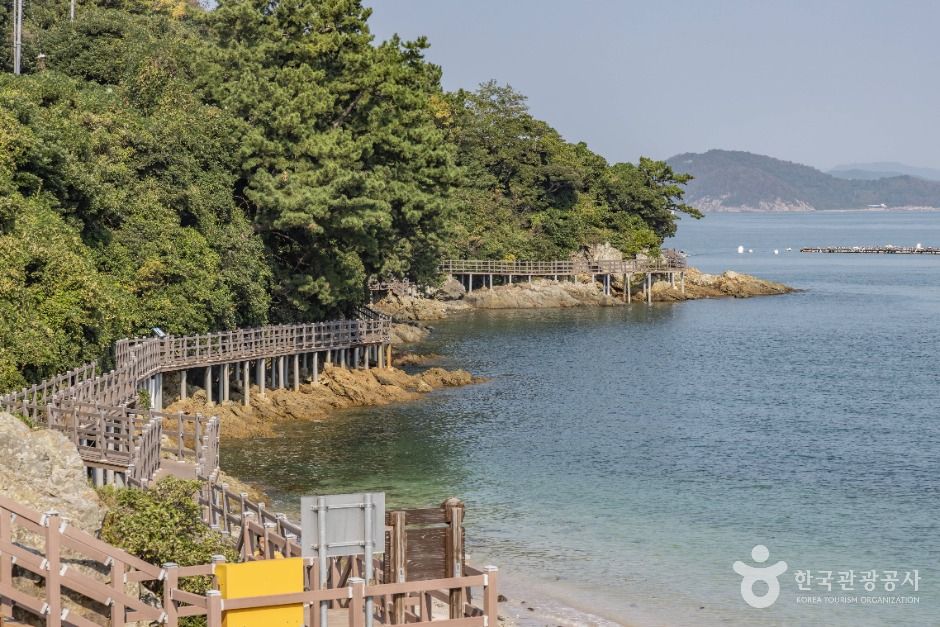

Imagine a coastal stay where every single room looks out over an island-dotted sea, a four-person room costs around 60,000 KRW a night, and the operator is a government agency rather than a profit-chasing pension. That place exists: the Hallyeohaesang Ecological Exploration Center (한려해상 생태탐방원) in Sanyang-eup (산양읍), Tongyeong (통영). But before you start dreaming of a cheap beach hotel, there’s an honest catch worth understanding up front.
What it actually is
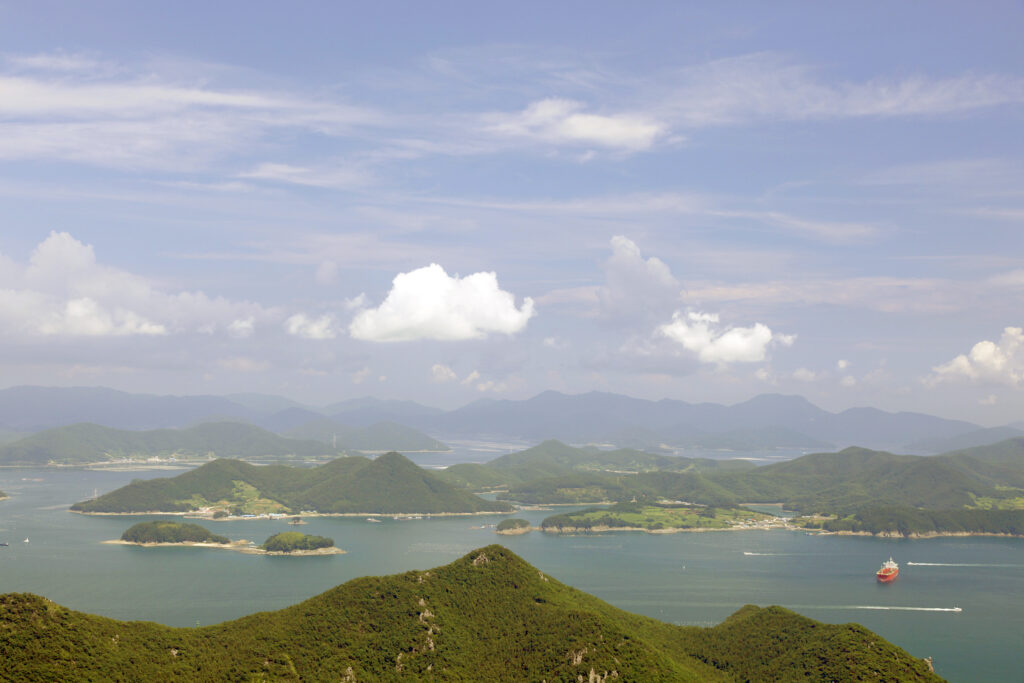
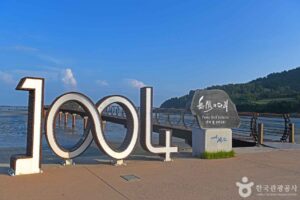
The center sits on the coast of Mireukdo island, inside Hallyeohaesang National Marine Park (한려해상국립공원), and it’s run by the Korea National Park Service (국립공원공단). That single fact explains everything that follows. It is one of eight national-park eco-exploration centers (생태탐방원) in Korea, and the only marine one — all the others are inland. So the all-ocean-view positioning here is genuinely distinctive, not marketing fluff.
The lodging block (생활관) was built in a European-style coastal design overlooking Tongyeong’s ria coastline and its famous sunsets. Across a multipurpose hall, lecture rooms, hands-on labs and the rooms themselves, the site can host about 100 people at once. Crucially, this is an eco-education center first and an inn second — and that ordering is the whole story.
The value, and the real catch
The headline numbers are striking: roughly 60,000 KRW for a four-person room and around 45,000 KRW for a three-person detached unit called “자연의 집” (House of Nature) per night — far below comparable private pensions, with every room facing the sea. There are about 24 units in total: per the official guide, roughly 20 four-person rooms (in both bed/침대 and floor/온돌 versions), a handful of six-person rooms, and three detached “자연의 집” cottages.
Here’s the catch you must know before getting excited: you cannot book a room on its own. The lodging unlocks only when you also book a marine eco-experience program (for two or more people) or rent the auditorium and lecture facilities. The low rate exists because it’s state-run and because you’re expected to take part in an eco-program. Think of it as public eco-lodging, not a hotel hack.
One more honest note on price: those headline figures come from a popular YouTube tour and represent the best-case value. Official park guide pages and several blogs say rates actually vary by weekday, weekend and peak season, so don’t count on a flat year-round price. What is confirmed is that from 2026, accommodation fees are billed VAT-inclusive — the quoted number is the all-in price. Always verify the live rate on the reservation site before you commit.
What you’ll do there
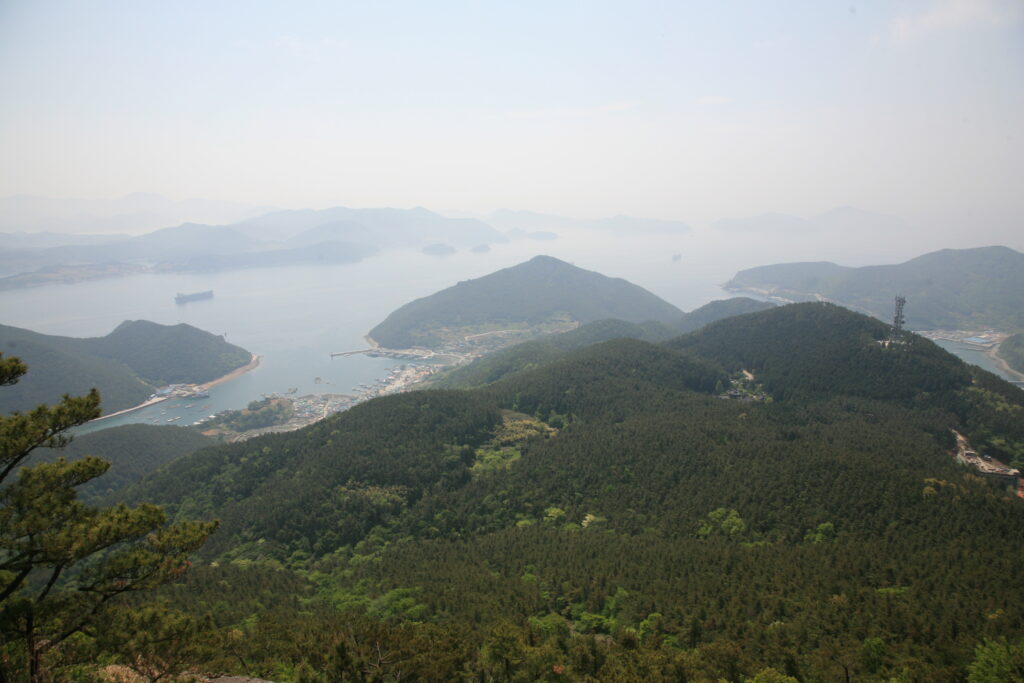
The eco-experience programs are built around Tongyeong’s marine nature: sunset viewing, the 바다백리길 coastal trail, and treks out to nearby islands. Reported tiers (subject to change) run from a half-day session of about three hours, to a full day of around six hours, to an overnight 1박2일 program, priced by age group — roughly 4,000–15,500 KRW for youth and 5,500–21,500 KRW for adults depending on length. A typical Manjido eco-trek takes about two hours and passes wind-path lookouts, a suspension bridge, the Yeondaedo pine path and a 몽돌 pebble beach.
Two island side-trips worth your time
Manjido (만지도) is a designated “명품마을” (model island village) reached by boat from Tongyeong, known for clean trails, sea-cliff lookouts and a pebble beach. A suspension bridge links it to neighboring Yeondaedo (연대도), so the two are usually walked together on the eco-trek.
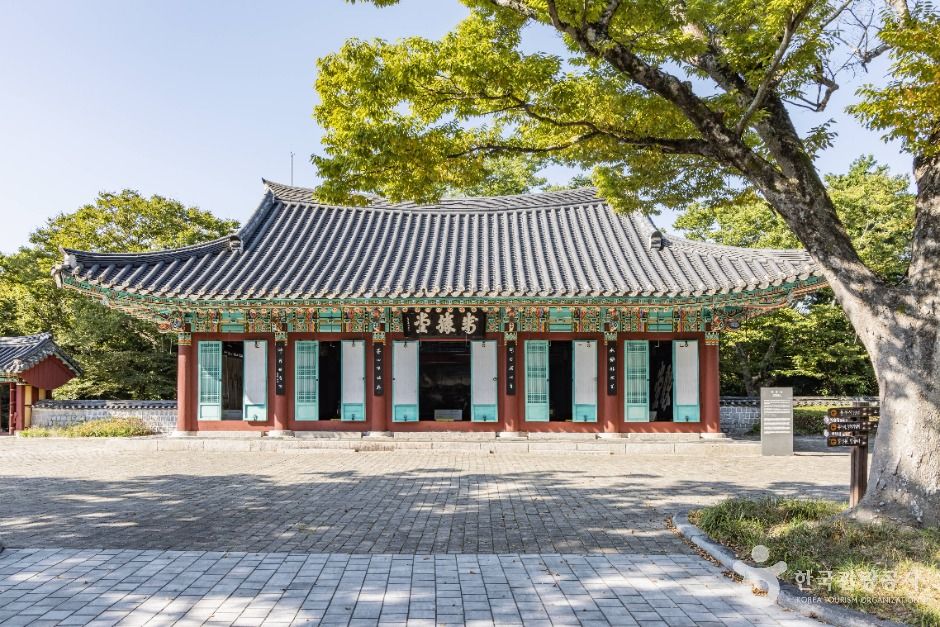
Hansando Jeseungdang (한산도 제승당) adds real history. This is where Admiral Yi Sun-sin (이순신) based his fleet during the 1592 Battle of Hansando (한산대첩). Reach it by ferry from Tongyeong’s coastal passenger terminal — about 30 minutes — then a roughly 10-minute walk up from the pier to the shrine, along well-kept paths. Seasonally there’s free bike rental on the island. Always reconfirm ferry times before you go, since they shift with season and weather.
Booking: read this carefully
Everything goes through the national-park reservation system at reservation.knps.or.kr (also res.knps.or.kr). The process: sign up and log in, choose 생태탐방원, then 한려해상, set your check-in and check-out dates, and select both an eco-experience program and a lodging type before paying.
The hard rules, stated plainly:
- The lodging cannot be booked alone — it must be combined with an eco-program for two-plus people, or with facility rental.
- Reservations open monthly and are highly competitive. You’ll want to be online the moment booking opens; same-day reservations are nearly impossible.
- Booking generally opens up to about 30 days before your visit.
Rooms include TV, air conditioning, a refrigerator and free Wi-Fi. Check-in is 15:00, check-out 11:00. The site is notably barrier-free, with accessible restrooms, an elevator, parking and wheelchair rental.
Getting there
From Seoul, the simplest route is an express or intercity bus from Seoul Express Bus Terminal or Seoul Nambu Terminal to Tongyeong Bus Terminal (통영종합버스터미널) — roughly a four-hour ride, with frequent departures from around 07:00 to nearly 23:30. There’s no direct KTX to Tongyeong; if you prefer rail, take the KTX to Jinju (진주, about 2h30m) and a connecting bus on to Tongyeong (about 40 minutes).
From Tongyeong terminal you still have to reach Sanyang-eup on Mireukdo island, at 산양일주로 1361-96. A car is strongly recommended both for the center itself and for reaching the island ferries; local bus and taxi options exist but are limited.
One Tongyeong food note
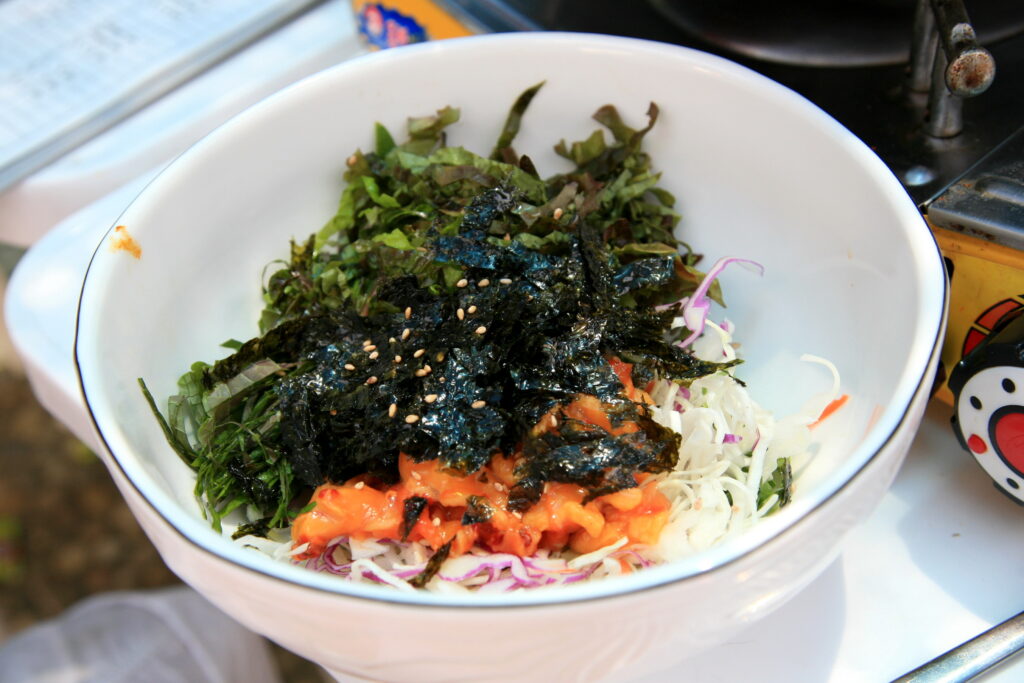
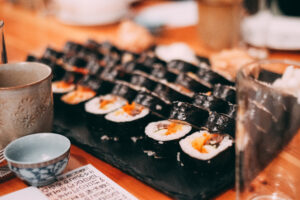
Tongyeong is a serious seafood town. Its signatures are 굴 (oysters, at their best in winter), 충무김밥 (Chungmu gimbap — plain seaweed-rice rolls served with spicy squid and radish kimchi), 멍게비빔밥 (sea-squirt bibimbap) and the banquet-style 다찌 seafood spread. If you enjoy grilling fresh shellfish by the sea, you’ll feel right at home with the spirit of jogae-gui (조개구이) — though our guide to that dish is set on the west coast at Daecheon, not Tongyeong, so treat it as a kindred coastal-grill experience rather than a local Tongyeong pick.
The Hallyeohaesang Ecological Exploration Center isn’t for everyone — if you want a no-strings hotel, this isn’t it. But if the idea of an ocean-view room, a guided walk through a national marine park, and a genuinely fair public rate appeals to you, it’s one of the most rewarding coastal stays in Korea. Just plan ahead, book the moment the window opens, and check the live price first.
Where to eat near the Hallyeohaesang Eco-Center
The Eco-Center sits in Sanyang-eup, but Tongyeong’s most iconic eateries cluster a short drive away around the old passenger terminal, Jungang Market and Seoho Market — well worth folding into the same day trip. These are long-running, locally beloved spots, each built around one signature Tongyeong dish.
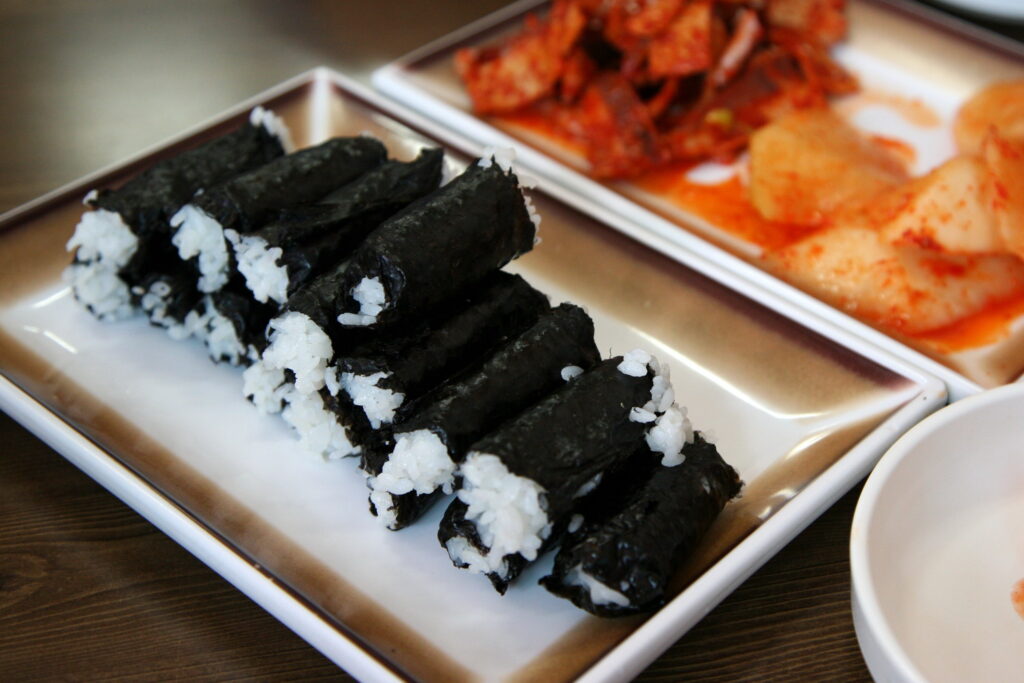
- 뚱보할매김밥 (Ttungbo Halmae Gimbap) — 충무김밥 (Chungmu gimbap), near the passenger terminal and Jungang Market. One of the original makers of Tongyeong’s famous Chungmu gimbap: rice rolls served alongside spicy squid and radish kimchi, kept as a near single-dish shop for around 70 years.
- 원조밀물식당 (Wonjo Milmul Sikdang) — 멍게비빔밥 (meonge / sea squirt bibimbap), inside Jungang Market. Widely cited as the original home of meonge bibimbap, the briny, citrusy rice bowl that locals consider Tongyeong’s signature.
- 원조시락국 (Wonjo Sirakguk) — 시락국 (sirak-guk), by the Seoho Market entrance. A roughly 50-year dawn-market institution where fishermen and traders share long wooden tables over a cheap, comforting bowl of dried-radish-leaf soup and rice.
A note before you go: these are small, family-run eateries with early or irregular hours and occasional closing days, and menus can change. Check the latest opening hours and closing days before visiting.

Leave a Reply