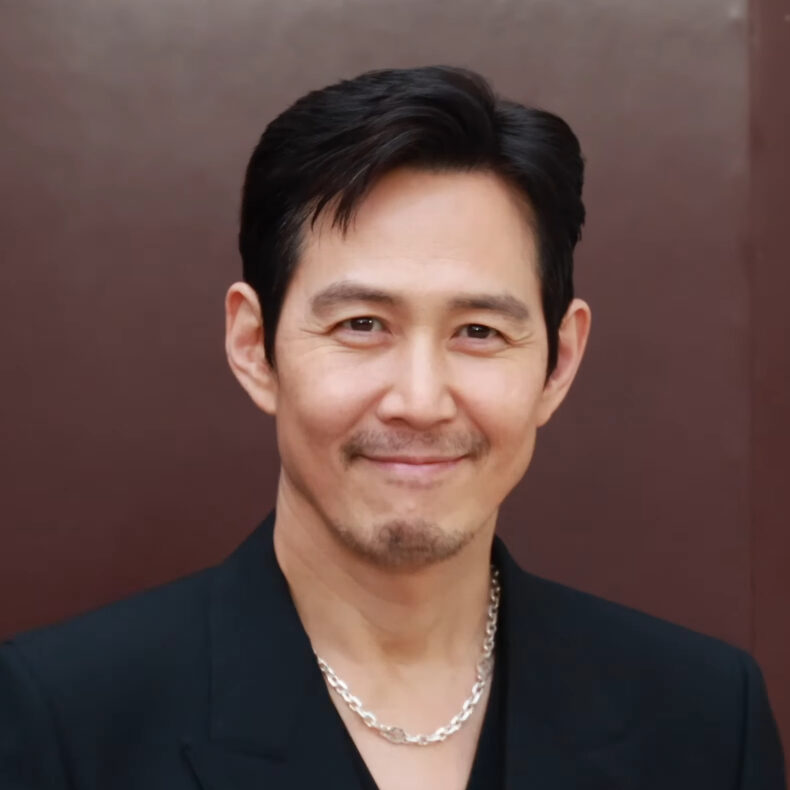
Three years after a quiet two-player marble game broke the internet, Squid Game roared back. Created, written, and directed by Hwang Dong-hyuk (황동혁), Squid Game Season 2 (오징어 게임 시즌2) arrived on Netflix on December 26, 2024, picking up the story two years after Seong Gi-hun walked out of the arena as its bloodied, traumatized winner. If the first season was a horror story about debt and desperation, the second is a revenge story about a man who can’t look away.
What the show is about
Gi-hun (Player 456) is rich now, but he refuses to board his flight to the United States and live quietly. Instead, he pours his fortune and what’s left of his life into hunting the shadowy organization behind the games. When he finally re-enters the contest, it isn’t to win money. It’s to burn the whole thing down from the inside and unmask the man who runs it: the Front Man.
The structure has a sharp new wrinkle. A fresh group of 456 debt-ridden players is gathered, but after each deadly round, everyone votes, X versus O, on whether to keep playing for a bigger prize or stop and split the pot already on the table. That single democratic-looking choice fractures the group into factions, turning survivors into rivals long before the next game even begins. It’s the season’s cruelest idea: the players become their own house.
This is a spoiler-light recap, so I’ll only say that the season leans hard into Gi-hun’s moral exhaustion and the hidden-identity tension swirling around the Front Man, then ends on a deliberate, gut-punch cliffhanger that sets up Season 3.
The leads and the chemistry
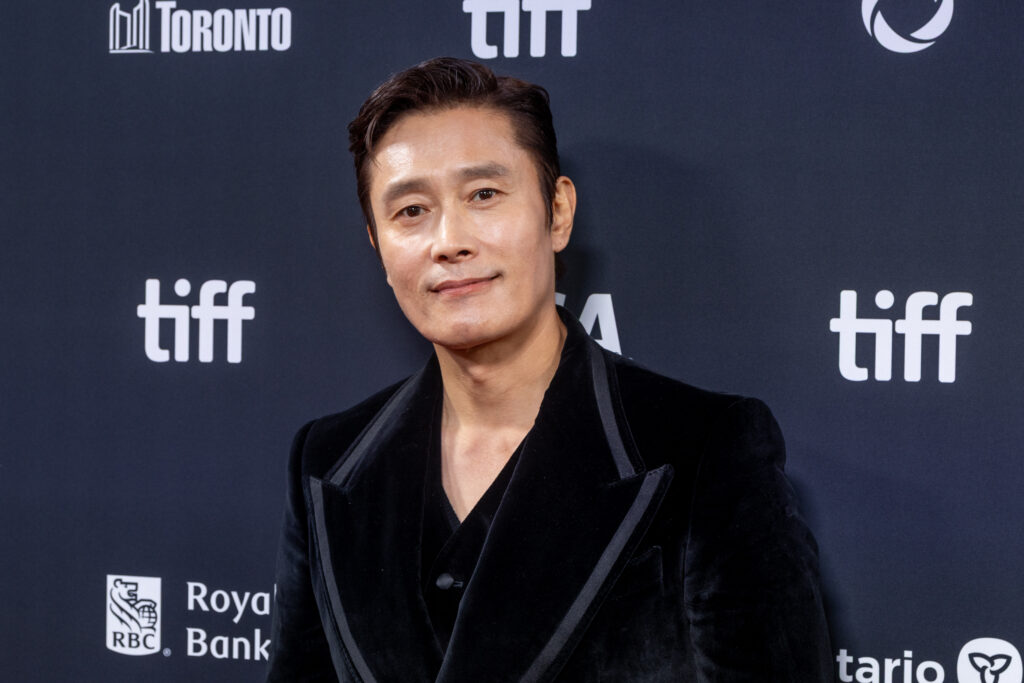
The whole thing rests on the rematch between two heavyweights. Lee Jung-jae (이정재) returns as Gi-hun, harder and angrier than the wide-eyed loser of Season 1, while Lee Byung-hun (이병헌) gets vastly more to do as Hwang In-ho, the Front Man whose calm is its own kind of threat. Their cat-and-mouse dynamic, much of it played behind a mask, is the engine of the season.
Around them is a deep new bench of players. Wi Ha-joon (위하준) is back as Detective Hwang Jun-ho, still chasing the island, and Gong Yoo (공유) returns as the slap-game Recruiter in an early, electric sequence. The fresh recruits include Yim Si-wan (임시완) as Lee Myung-gi (Player 333), Kang Ha-neul (강하늘) as Kang Dae-ho (Player 388), Park Sung-hoon (박성훈) as Cho Hyun-ju (Player 120), and singer Jo Yu-ri (조유리) as Kim Jun-hee (Player 222). Veterans Yang Dong-geun (양동근) and Kang Ae-shim (강애심) add grit as older players, and Park Gyu-young (박규영) joins the masked ranks as a pink guard, Kang No-eul.
One casting choice drew real debate at home: Choi Seung-hyun / T.O.P (최승현), the former BIGBANG rapper, plays the volatile Choi Su-bong, nicknamed Thanos (Player 230). His return to screen prompted public criticism in Korea tied to his 2017 drug case, a controversy worth noting plainly rather than glossing over.
Where it aired, and how big it got
Season 2 streamed worldwide on Netflix as a seven-episode run. The numbers it posted are records, not hype. The premiere drew 68 million views in just its first four-day partial window, the biggest opening in Netflix history at the time, topping the previous record held by Wednesday (50.1 million). It hit No. 1 in 92 countries. Within its first 11 days it had racked up roughly 126.2 million views, making it Netflix’s most-watched title in a single week of 2024 and cementing its place among the platform’s top non-English series ever, though Season 1 still sits as the all-time leader.
A note on the snacks and the sets
Fans hoping for another dalgona showdown should adjust expectations. The honeycomb candy (달고나) still appears as a recurring motif and piece of iconography, woven through flashback and imagery, but it isn’t run as a full round here. More broadly, the series keeps evoking the world of Korean street snacks and old-fashioned candy culture that gave the first season so much of its uncanny, childhood-game texture.
As for visiting the locations: the iconic interiors aren’t real places you can walk through. The Escher-like pastel staircases, the dormitory of stacked bunks, and the game arenas were purpose-built on soundstages, with major sets constructed at studios in Daejeon (대전), including facilities near the Expo Science Park area. Some Seoul-area street exteriors were shot on location, but the labyrinth that defines the show is, fittingly, a constructed illusion.
Season 2 isn’t a tidy story, and it isn’t meant to be. It’s the middle chapter of a darker, angrier arc, and it leaves you suspended over the edge, which is exactly why so many of those 126 million viewers came straight back for Season 3.







Leave a Reply