
The Glory (더 글로리) is a Korean revenge thriller that trades explosions and gunfire for something far colder: patience. Across 16 episodes, it follows a woman who was brutally bullied as a teenager and then, as an adult, spends years quietly dismantling the lives of the people who hurt her. It is a slow burn in the most literal sense, and that restraint is exactly what made it one of Netflix’s most-watched non-English series.
The hook is simple and merciless. In high school, Moon Dong-eun suffers cruel, sustained violence at the hands of a clique of wealthier classmates, and the adults around her, teachers included, look away. Years later she has not moved on; she has prepared. She reroutes her entire life toward a single goal, even taking a homeroom teaching job at the school attended by the child of her chief tormentor. Step by careful step, she walks back into her abusers’ world to take apart the comfortable lives they built on top of what they did.
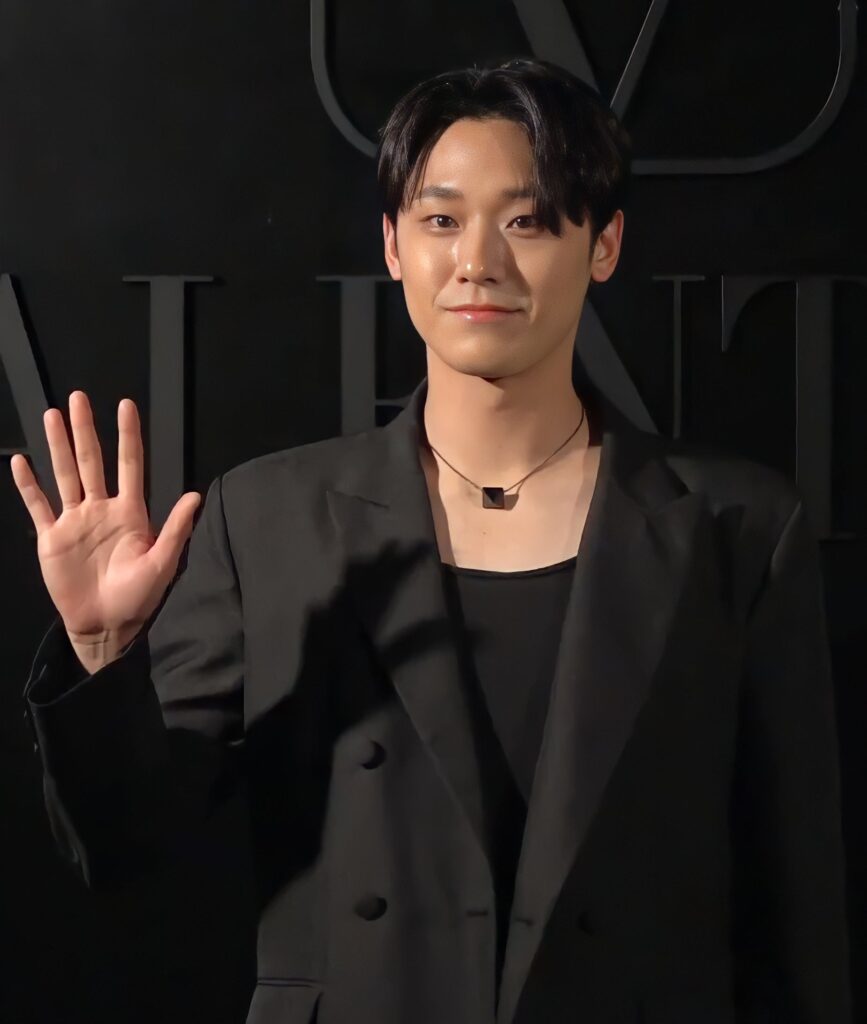
Song Hye-kyo, long beloved for romantic leads, is cast sharply against type as Dong-eun, and that contrast is the engine of the show. Her performance is hushed and controlled, all suppressed fury behind a still face, and it earned her the Best Actress prize in the TV category at the 59th Baeksang Arts Awards. Opposite her, Lee Do-hyun plays Joo Yeo-jeong, a plastic surgeon who becomes her unlikely ally; their dynamic is less a conventional romance than a wary partnership between two people who recognize each other’s wounds.
The antagonists are just as vivid. Lim Ji-yeon plays Park Yeon-jin, the ringleader of the bullies turned glossy TV weathercaster, in a turn that won her a Baeksang acting award of her own. Park Sung-hoon is Jeon Jae-joon, another member of the clique, and Jung Sung-il plays Ha Do-yeong, Yeon-jin’s husband and a construction-company chief who has no idea what his wife once did. Yeom Hye-ran rounds out the cast as Kang Hyeon-nam, a battered housekeeper who becomes one of Dong-eun’s most loyal helpers. The ensemble keeps the moral temperature complicated; no one is simply a hero.
The Glory was written by Kim Eun-sook, one of Korea’s most successful screenwriters, and directed by Ahn Gil-ho. It arrived on Netflix in two halves: Part 1 (eight episodes) on December 30, 2022, and Part 2 (eight episodes) on March 10, 2023. The split-season rollout kept the conversation alive for months.
The popularity is real and measurable, not marketing spin. In its first 28 days, the series logged 436.9 million viewing hours, putting it among the all-time global top tier for Netflix’s non-English TV series, and Part 2 reached the global number-one spot immediately after release. Beyond the numbers, the show triggered a sweeping national conversation in Korea about hakpok (school violence), with viewers and media revisiting the long-term damage bullying leaves behind and the question of accountability for those who inflict it. It is worth saying plainly: the series treats that subject as a matter of harm and responsibility, not spectacle.
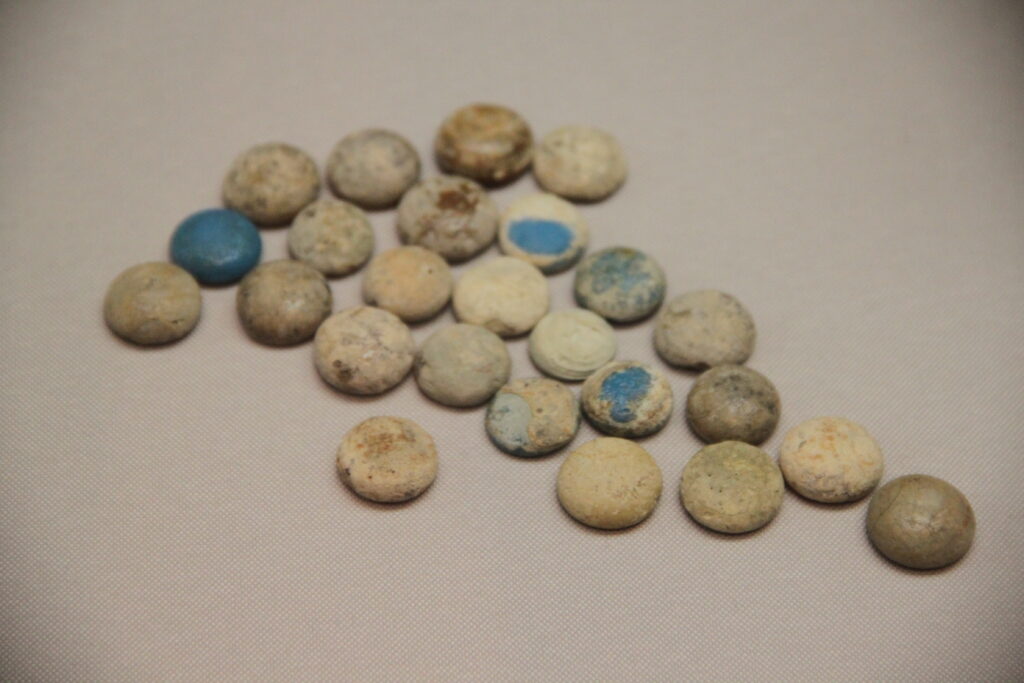
One quiet motif worth watching for is baduk (the board game known internationally as Go). Rather than any signature dish or food scene, it is this ancient strategy game that recurs as a symbol throughout, mirroring how Dong-eun plays a long, positional game against opponents who never realize they are on the board until the trap closes.
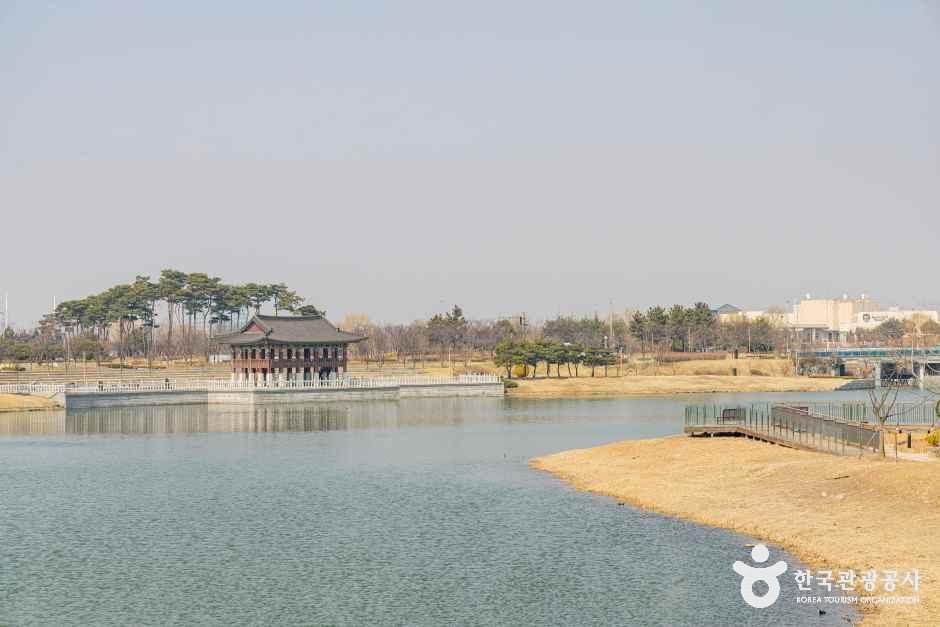
The production leaned heavily on real Korean locations rather than studio sets or overseas shoots. The pavilion where key baduk scenes were filmed, Cheongnaru, sits in Cheongna Lake Park in Incheon, and the production also used Suijeong Church in Incheon, Yonghwasa Temple and Jungang Park in Cheongju, and locations across North Chungcheong, Sejong, Icheon, Seoul, and Gyeonggi, with Jangheung Prison in South Jeolla standing in for prison scenes. Fans have also pointed to a roastery cafe in Seoul’s Samcheong-dong as the backdrop for a notable first meeting between characters.
If you want a Korean thriller that earns its catharsis through groundwork rather than shortcuts, and a chance to see Song Hye-kyo in one of the most steely-eyed roles of her career, The Glory is essential viewing. Just brace yourself: the early going is heavy on purpose, and the payoff is built to make you wait.






Leave a Reply