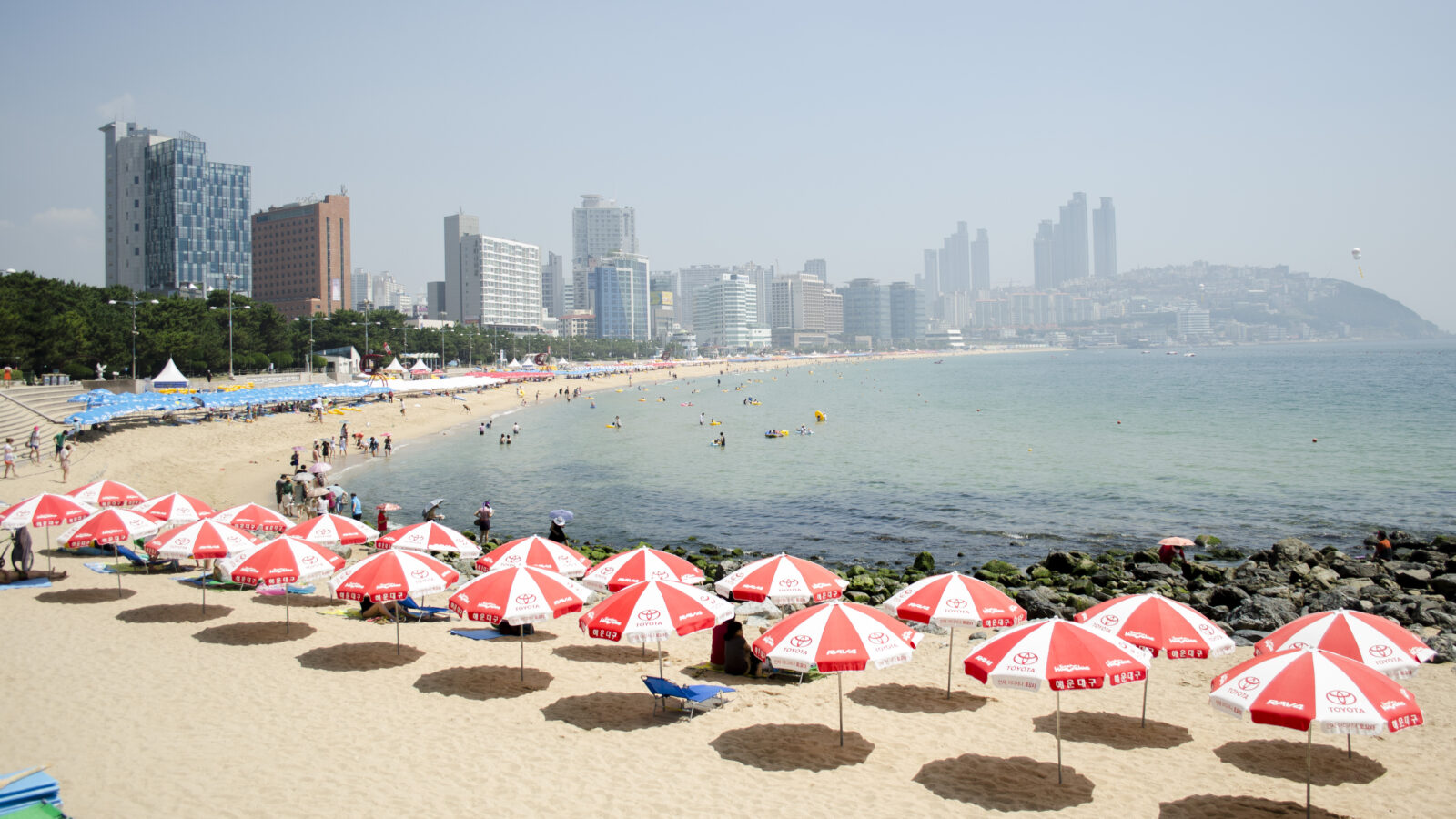
Busan is where Koreans go to the beach, and in summer it’s the easiest big trip you can add to a Seoul-based itinerary. The high-speed train gets you there in a little over two hours, the city’s two headline beaches are free and walkable, and there’s enough beyond the sand to fill two or three days. Here’s how to get there and what to actually do in 2026.
Getting there from Seoul
The KTX high-speed train is the move. Seoul Station to Busan Station takes about 2 hours 15 minutes on the fastest nonstop services (closer to 2.5–2.7 hours on trains that stop along the way), with roughly 70 departures a day. A standard adult second-class one-way fare is around 59,800 KRW; advance and discounted fares can be cheaper. Book on Korail, especially for summer weekends.
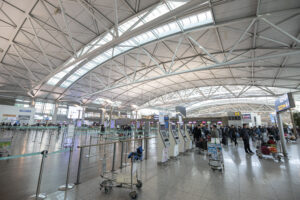
Flying (Gimpo to Gimhae) is about an hour in the air, but once you add airport transfers and security, the door-to-door time is often similar to the train from city center to city center. Unless you’re connecting through an airport anyway, the KTX usually wins.
The beaches
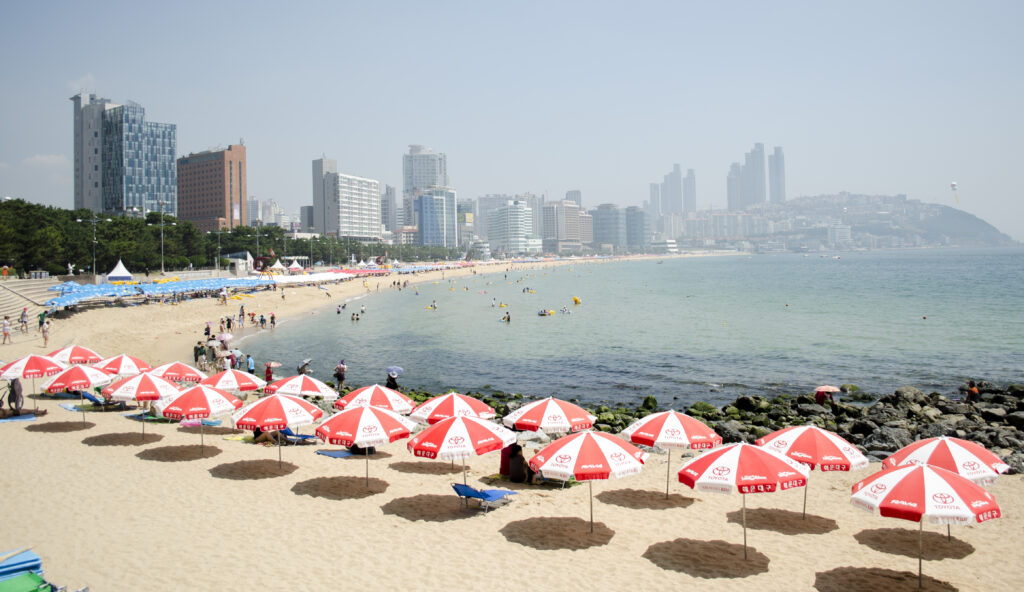
For 2026, Busan is opening its flagship beaches early: Haeundae opens June 26 and stays open through September 15 — an unusually long season — while quieter, surf-friendly Songjeong runs June 26 to August 31. Haeundae is the famous one: a long sandy crescent backed by high-rises, with full amenities and a constant summer buzz.
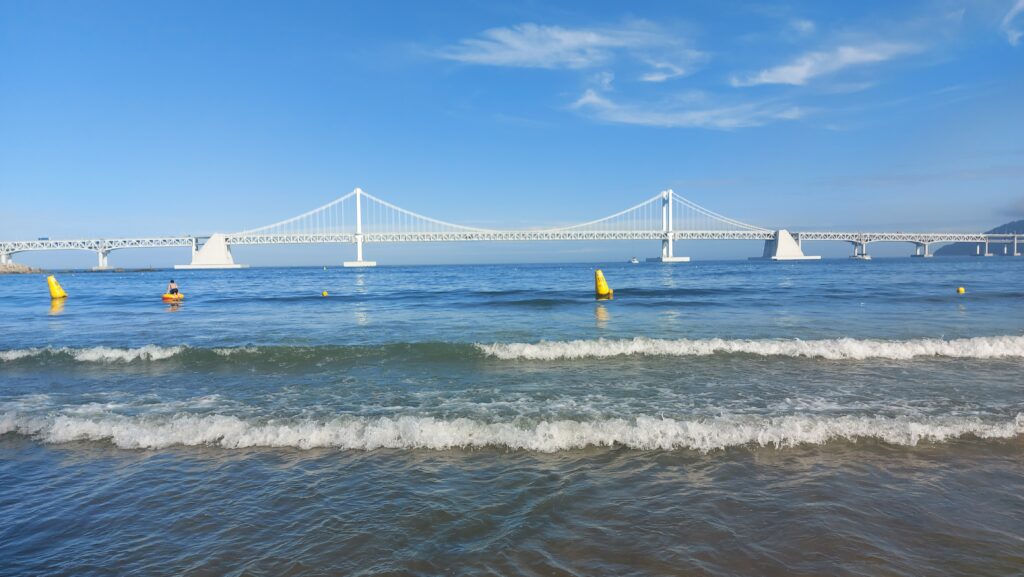
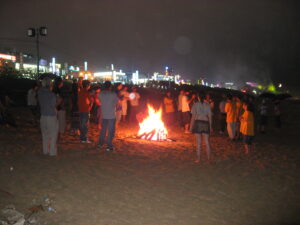
Gwangalli, a short ride away, is the one to save for the evening. It looks out on the illuminated Gwangan Bridge, and there’s a free drone light show over the bay on Saturday nights (around 8 pm and 10 pm in summer). Bring dinner from the cafés along the promenade and watch from the sand. One 2026 note: the city is installing nets and on-site treatment against large jellyfish at Haeundae, a reminder to swim in the patrolled areas.
Beyond the sand
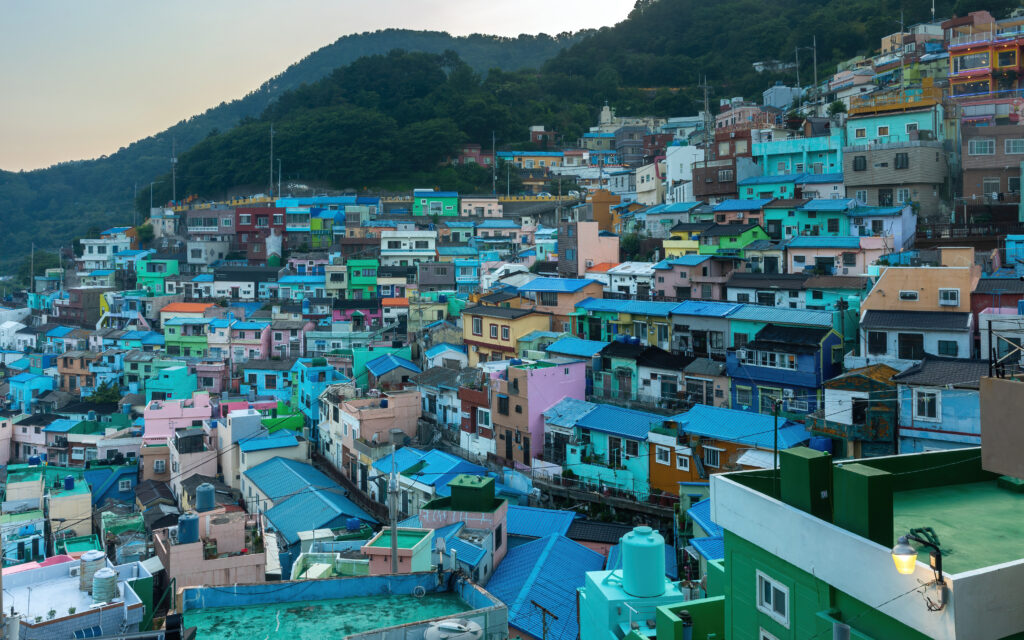
- Gamcheon Culture Village — a hillside of brightly painted houses, murals, and narrow alleys. Go in the late afternoon for the light and fewer crowds.
- Haedong Yonggungsa — a Buddhist temple built into the coastal cliffs in Gijang, one of the rare seaside temples in Korea. Early morning is calmest.
- Songdo Marine Cable Car — a coastal ride with sea views (and a glass-bottom option) if you want the skyline from above.
When to go, and what to watch for
Korea’s monsoon (jangma) usually reaches the southern coast in late June and tends to ease by late July, so early-to-mid July can be wet — pack a light rain layer. Typhoon risk is concentrated in August and September, when a passing storm can shut down beaches and ferries for a day or two; build a little flexibility into a late-summer trip. The sweet spot for reliable beach weather is roughly mid-July to mid-August once the rains lift, which is also peak crowd season — so book beds and trains well ahead.
What to eat in Busan
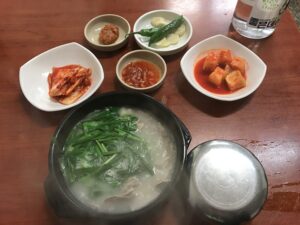
Busan has its own food identity, so eat local. The signature dish is dwaeji-gukbap, a milky pork-and-rice soup you season yourself at the table — whole alleys of gukbap shops sit around Seomyeon and Busan Station, many open late. Also worth seeking out: milmyeon (Busan-style chewy cold wheat noodles, a post-war cousin of naengmyeon), ssiat hotteok (seed-stuffed griddle cakes, famous at BIFF Square in Nampo-dong), and eomuk (Busan-style fish cakes, best hot off the steamer). For the full story on the city signature bowl, read our guide to dwaeji-gukbap.
A simple two-day plan
Day one: morning KTX from Seoul, drop bags near Haeundae, beach and seafood in the afternoon, then over to Gwangalli for the bridge view (and the drone show if it’s Saturday). Day two: Gamcheon in the morning, Haedong Yonggungsa or the Songdo cable car after lunch, late-afternoon train back. It’s compact, it’s cheap by big-city standards, and it’s the fastest way to see why Busan is Korea’s summer capital.
Leave a Reply