Few Korean foods divide first-timers quite like meongge (멍게) — the sea pineapple. With its knobby orange skin and shockingly vivid flesh, it looks more like coral than dinner. But for coastal Koreans, especially around Tongyeong (통영) on the south coast, a plate of fresh meongge is one of spring’s great pleasures: a clean burst of the ocean followed by a curious, lingering sweetness that no other seafood quite matches.
What Exactly Is Meongge?
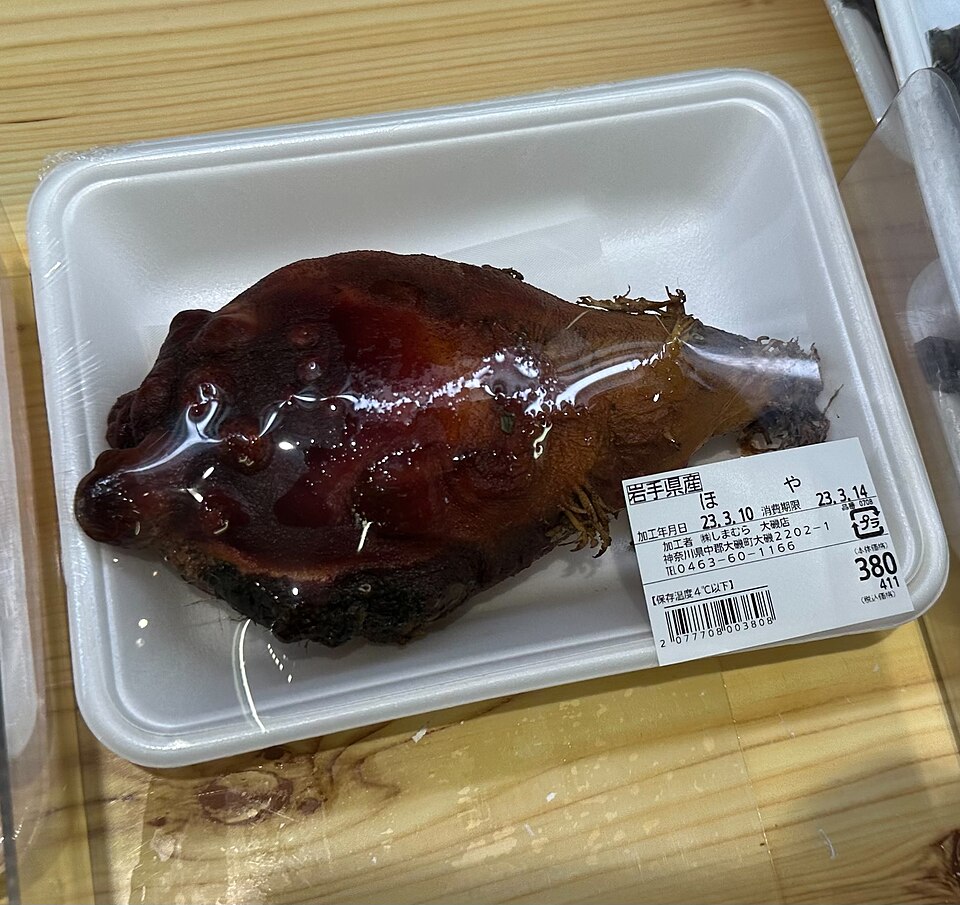
Meongge is the Korean name for Halocynthia roretzi, an edible ascidian, or sea squirt — a marine invertebrate (a tunicate), not a shellfish or a fish. It anchors to the sea floor inside a tough, leathery outer “tunic,” which is exactly where the English name comes from. In Japan the same creature is eaten as hoya (ホヤ), but nowhere is it more beloved than in Korea, where roughly 70% of the national supply is farmed in the waters off Tongyeong in South Gyeongsang Province.
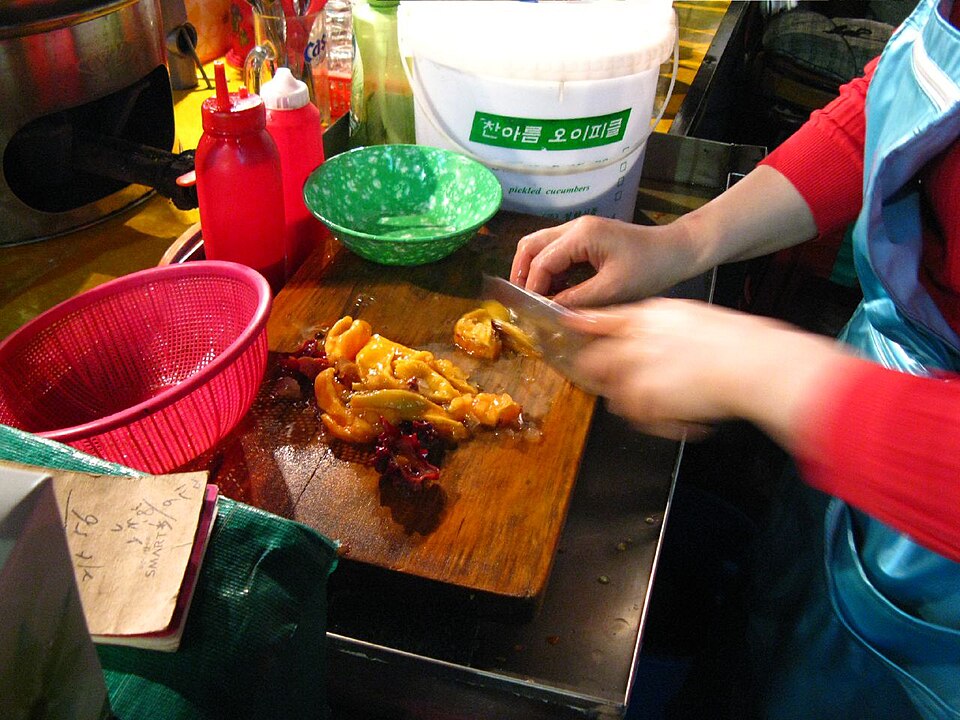
The animal is harvested, the bumpy rind is sliced open, and the bright orange-red flesh inside is scooped out, rinsed, and served. That flesh is the part you eat.
What Does It Taste Like?
Honestly? It’s polarizing — and that’s part of the fun. The first hit is pure brine: clean, iodine-rich sea water. Then comes the part that wins people over, a distinctive bitter-sweet finish attributed to a compound called cynthiaol, an unsaturated alcohol present in tiny amounts. Some tasters compare the aroma to iodine; less charitable descriptions reach for “rubber” notes. The texture is springy and slightly crunchy, somewhere between a firm oyster and crisp cartilage.
If you’ve found other sea squirts off-putting, give the Korean version a fair shot. When it’s truly fresh, the sweetness dominates and the funk is gentle.
How Koreans Eat Meongge
- Meongge-hoe (멍게회) — the classic. Raw slices served with chojang (vinegared gochujang) for dipping, often alongside soju or makgeolli.
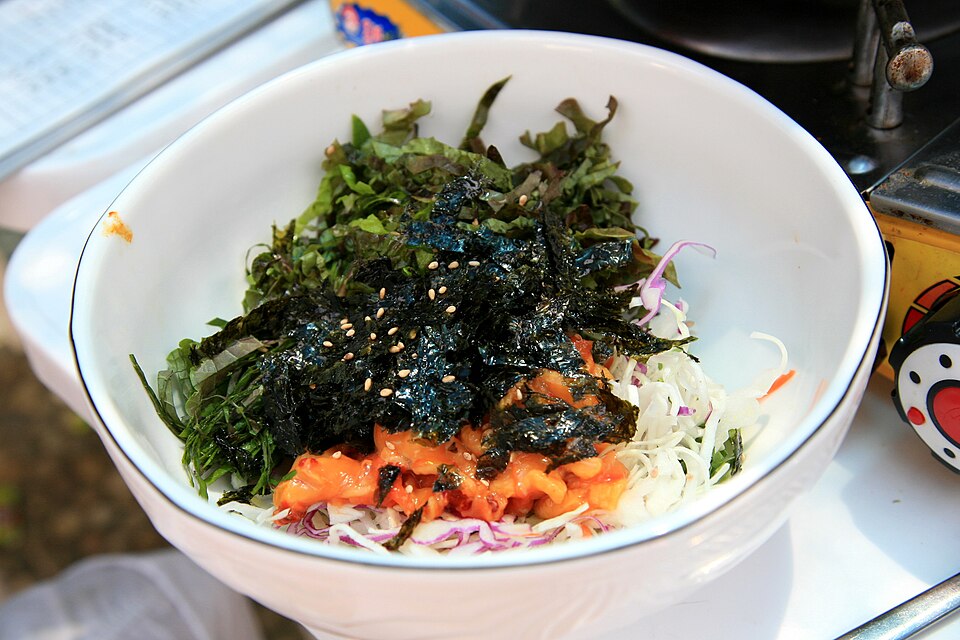
- Meongge-bibimbap (멍게비빔밥) — a Tongyeong specialty where the chopped flesh is mixed into warm rice with sesame oil, gim (seaweed), and vegetables. The heat of the rice amplifies its aroma.
- Meongge-jeot (멍게젓) — salted and fermented as a punchy side dish or rice topper.
- As a flavor booster — folded into certain kimchi for a deep marine umami.
Buying and Eating It at Its Best
Meongge is best in spring through early summer, when the flesh is plumpest and sweetest. At a market, look for firm, brightly colored specimens with a fresh sea smell — not a sharp, overpowering one. If you’re buying it whole, ask the vendor to clean it, or look for pre-cleaned orange flesh on ice.
A simple home preparation: rinse the cleaned flesh gently in lightly salted water, slice into bite-sized pieces, and serve immediately with chojang, or mix straight into hot rice for an instant bibimbap. It needs almost nothing else.
Honest Cautions
Because meongge is eaten raw, a little care matters:
- Freshness is everything. A faint clean brine is good; a strong ammonia smell means it’s past its prime — don’t eat it. Keep it cold and eat it the day you buy it.
- Source it from reputable vendors. As with all raw seafood, buy from trusted fishmongers or markets with good turnover. People who are pregnant, very young, elderly, or immunocompromised should be especially cautious with raw seafood.
- Internal organs. Sea squirts can concentrate marine toxins and heavy metals in their viscera; properly cleaned market meongge has these removed, which is why you eat only the rinsed flesh. If preparing whole animals yourself, follow local guidance and discard the innards.
Why It’s Worth Trying
Meongge is one of those foods that tells you exactly where you are: the south coast of Korea, in spring, with the sea a few steps away. It’s bold, a little strange, and unmistakably itself. Order the hoe with a cold drink, or the bibimbap if you want the gentler introduction — either way, you’ll understand why Tongyeong locals look forward to meongge season all year.



Leave a Reply