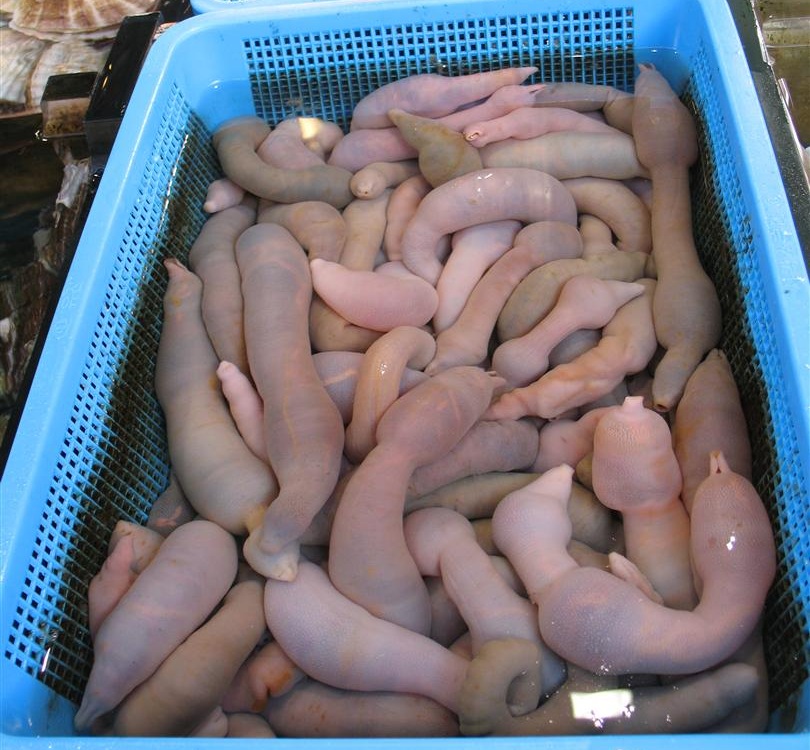
Few Korean delicacies make a first-time visitor pause quite like gaebul (개불). Laid out live and wriggling on a bed of ice at a coastal fish market, these plump, pinkish, sausage-shaped creatures look like nothing else on the seafood counter. They are not sea cucumbers and not sausages: gaebul is a marine spoon worm, scientifically Urechis unicinctus, known in English as the “fat innkeeper worm.” Despite the startling first impression, it is a beloved winter delicacy, prized not for strong flavor but for its clean sweetness and unmistakable bouncy crunch.
What Exactly Is Gaebul?
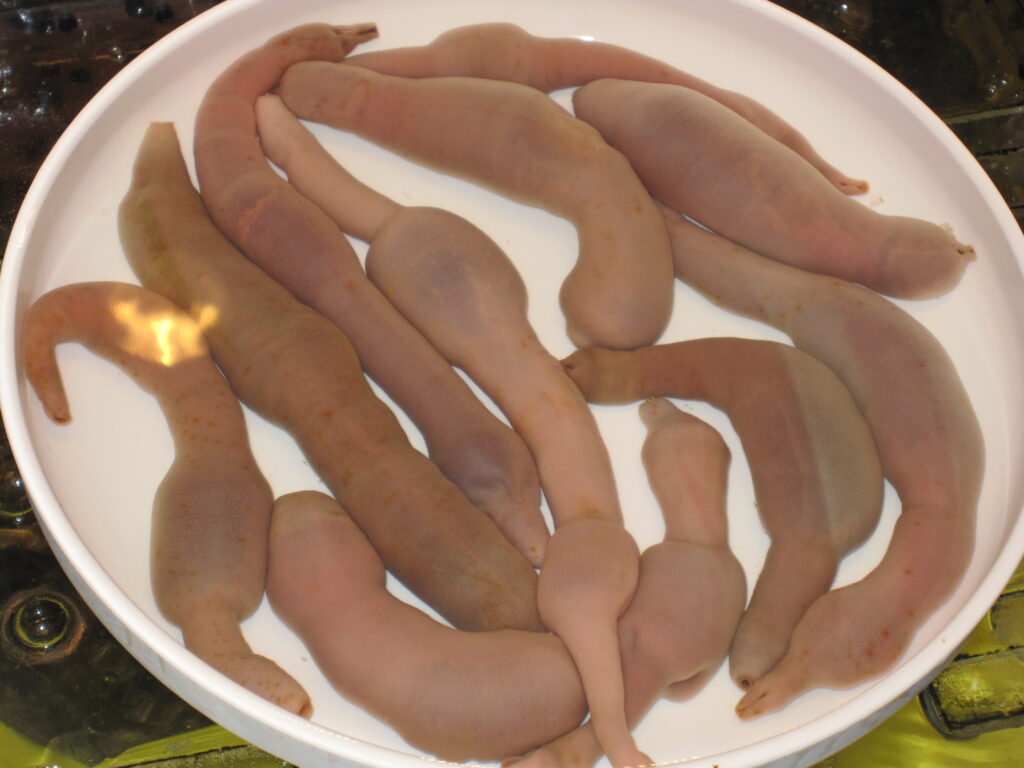
Gaebul is an echiuran, or spoon worm, that lives in U-shaped burrows in muddy tidal flats along the coasts of Korea, northern China, and Japan. It earns the nickname “fat innkeeper” because its burrow shelters smaller creatures that live alongside it as lodgers. A live worm typically runs 10–25 cm long and a few centimeters thick, with a smooth, translucent pinkish-purple body that pulses and stretches when handled.
The Korean name is earthy and direct, and the creature’s shape has earned it the cheeky English label “penis fish” across travel media. Set the novelty aside, though, and what remains is a genuinely clean, mild shellfish-adjacent ingredient that Koreans treat much like other raw seafood (hoe, 회).
Taste and Texture
Here is the honest truth: gaebul does not taste of much on its own. Its appeal is almost entirely textural and lies in a faint, briny sweetness that surfaces as you chew. When freshly cut, the rings are firm, springy, and slightly crunchy, with a snap somewhere between raw squid and a crisp clam. The flesh releases its sweetness slowly, which is why it pairs so well with sharp, punchy dipping sauces rather than competing with them.
Because the flavor is subtle, the eating experience is built around contrast: the cool, clean crunch of the worm against a bright, spicy, or nutty dip, often chased with a shot of soju on a cold night.
How Gaebul Is Eaten
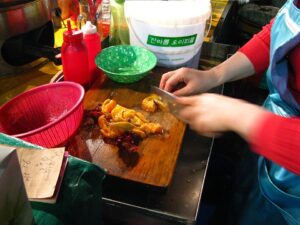
Gaebul is overwhelmingly eaten raw, as hoe. At the market or a pojangmacha (포장마차, street tent), the vendor selects a live worm, squeezes out the internal fluids and innards, rinses it, and slices the cleaned tube into bite-sized rings right in front of you. The rings are served plain so the dips do the talking.
Two classic accompaniments dominate:
- Chojang (초장) — a tangy-sweet-spicy sauce of gochujang, vinegar, and a little sugar. This is the most common pairing and cuts beautifully against the clean worm.
- Sesame oil and salt (소금기름장) — a simple nutty, savory dip that lets the natural sweetness come through.
You will also find gaebul grilled over charcoal, where the heat concentrates the sweetness and firms the texture, and occasionally added to stir-fries or eaten alongside other raw seafood platters. But the raw, freshly-sliced version remains the definitive way to try it.
A Winter Specialty
Gaebul is at its best in the cold months, roughly late autumn through early spring, when the worms are plumpest and sweetest. That seasonality makes it a quintessential winter market snack along Korea’s coasts, often enjoyed standing at a stall with cold hands wrapped around a paper cup of soju.
Where to Find It
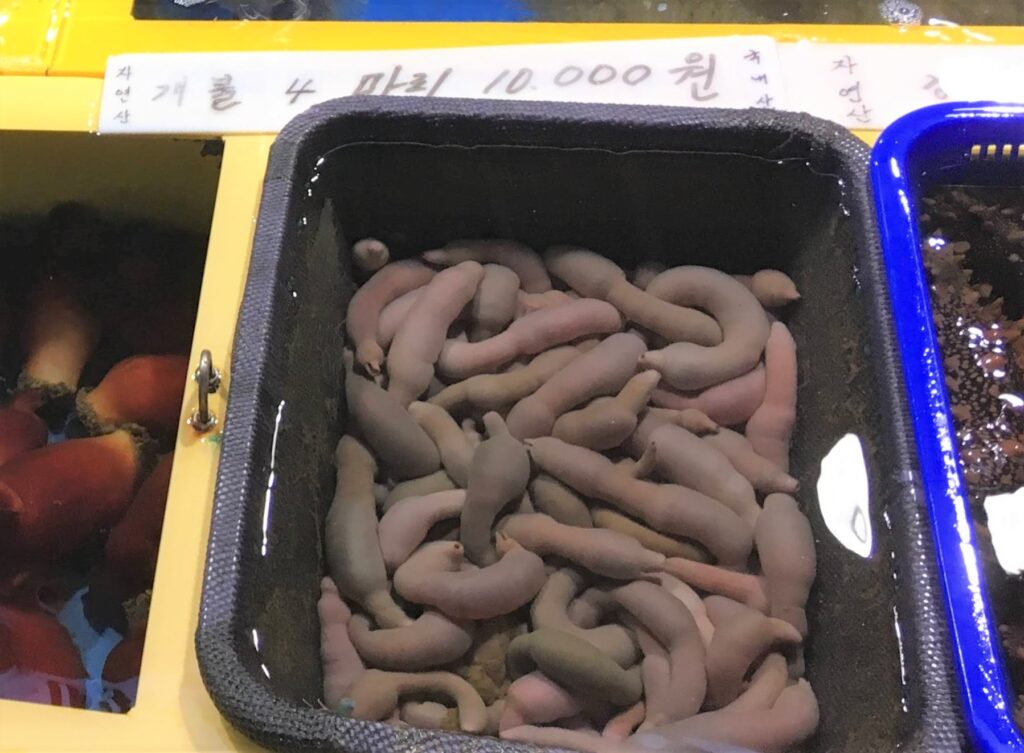
Gaebul is a coastal and market food rather than a fine-dining staple. You will most reliably encounter it live at major fish markets and seaside towns — Busan’s Jagalchi Market, the east-coast port of Sokcho, and tidal-flat regions along the west coast are all strong bets. Look for the live tanks and ice trays at hoe (raw fish) stalls; if a vendor is selling fresh sea squirt (meongge) and live shellfish, gaebul is usually nearby. Point, and they will clean and slice it on the spot.
Honest Cautions
Gaebul is raw seafood, so the usual rules apply, but it carries fewer concerns than some Korean raw dishes:
- Freshness is everything. Because the flavor is delicate, only impeccably fresh, live-and-just-cut gaebul is worth eating. If it smells strongly fishy or sour, walk away — properly handled spoon worm should smell clean and of the sea.
- Buy live and watch the prep. The innards and internal fluid are removed during cleaning; this is part of why a freshly prepared, live specimen matters. Reputable market stalls handle this routinely in front of you.
- Raw-seafood risk in general. As with any raw marine food, those who are pregnant, immunocompromised, or simply cautious about raw seafood should be mindful. Stick to busy, high-turnover vendors where stock is fresh.
- No ammonia issue here. Unlike fermented skate (hongeo), gaebul is not aged and has no ammonia smell — a clean specimen is mild, not pungent.
Why It’s Worth Trying
Gaebul is one of those foods where the experience outshines the taste. It is a window into Korea’s deep, adventurous coastal food culture — a creature most travelers have never seen, prepared with no fuss, and built entirely around freshness, texture, and a good dipping sauce. Order a small plate, reach for the chojang, and let the sweet, springy crunch win you over. It is far gentler, and far more delicious, than its appearance suggests.


Leave a Reply