
Most freshwater fish carry a muddy, river-bottom smell. Euneo (은어) does the opposite: cut one open in season and it smells fresh and sweet, like watermelon and cucumber. That single trait is why English speakers call it “sweetfish,” why it was once sent to the king as tribute, and why a 90-year-old angler will still wade into a cold southern river every June to catch it. A recent KBS food feature followed exactly that scene on the Boseong River. Here’s what euneo is, why it tastes the way it does, and how to eat it.
What euneo actually is
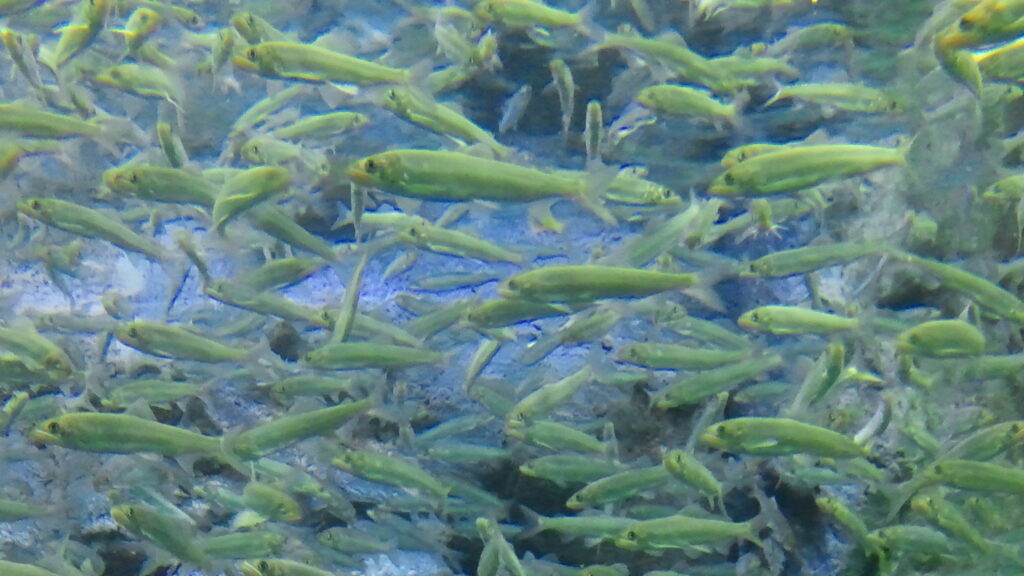
Euneo is the Korean name for the ayu, or sweetfish (Plecoglossus altivelis) — a slender, silver-bellied river fish, usually 20–30 cm long, and the only species in its family. The Korean name literally means “silver fish,” after that bright belly. It is native to the clean rivers of Korea, Japan, China and Taiwan, and it lives only in fast, cold, first-grade (일급수) water. Because it can’t survive anywhere polluted, a healthy euneo run is treated as a living sign that a river is clean. It looks salmon-adjacent and migrates a bit like one, but it isn’t a salmon — it’s its own thing entirely.
The watermelon-and-cucumber scent
The scent is the whole point, and it comes straight from what euneo eats. Instead of hunting other fish, it grazes — scraping algae and river moss (물이끼) off rocks with comb-shaped teeth. That clean, vegetal, algae-based diet in ultra-clear water is what gives the flesh its fresh fragrance rather than a fishy one. Korean cooks describe it as 수박향, a watermelon scent; Western and Japanese tasters reach for “melon and cucumber.” Both are pointing at the same thing: a river fish that smells like a just-sliced summer vegetable. The flavor follows the smell — delicate, mild, and clean enough that even the innards aren’t bitter the way other freshwater fish can be.
Why summer is the season
Euneo is essentially a one-year fish — the Chinese characters for it literally read “year-fish.” It spawns in the lower river in autumn, the larvae drift down to the sea or estuary for the winter, the juveniles run back upstream in spring, and the fish then fatten on algae all summer before spawning and dying in the fall. That whole life happens in a single season, which is exactly why the eating window is so tight. Early-to-mid summer, around June, is the prime time: the fish are fat, the aroma is at its strongest, and the bones are still soft. June fish even have their own name, 버들은어 (“willow sweetfish”), for that tenderness. Korea has a proverb about the gaunt look they take on later — 칠팔월 은어 굶듯, “starving like a July–August ayu.”
The Boseong River and how it’s caught
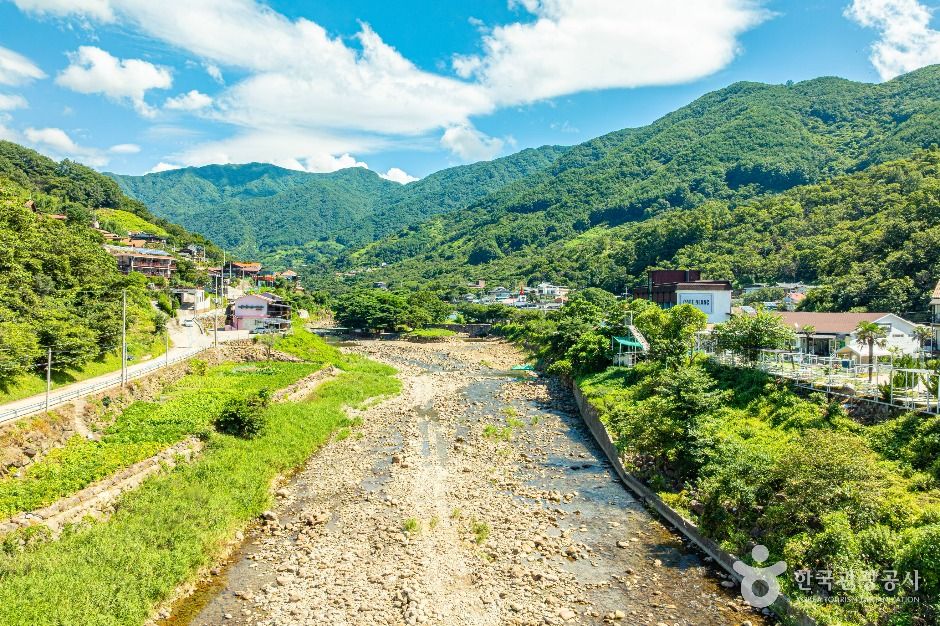
The KBS ‘한국인의 밥상’ (The Korean Table) segment that frames this fish was filmed on the Boseong River (보성강), one of the longest tributaries of the Seomjin River, winding through Gokseong-gun in Jeollanam-do. The Seomjin basin is Korea’s most famous euneo country, and the show follows local anglers chasing what they call “the silver treasure of the Boseong River.” Two of them anchor the story: Han Yong-beom, 68, who lodges by the river for three or four months every euneo season working a 9–10 m rod, and Kim Dong-jin, 90 — nicknamed the “Seomjin River seagull,” fishing since he was 17. The two have been friends for 40 years.
The technique is the memorable part. Euneo is fiercely territorial, so anglers don’t use bait — they use a live decoy. In 놀림낚시 (decoy fishing), a tethered live “seed fish” (씨은어) is sent into another euneo’s patch of river; the resident fish charges to drive off the intruder and hooks itself in the attack. It’s less like ordinary angling and more like provoking a turf war, which is what makes the long rods and the riverside patience worth it.
How euneo is eaten
Euneo is eaten whole and several different ways, and because the aroma is so prized, the simplest preparations are the most respected.
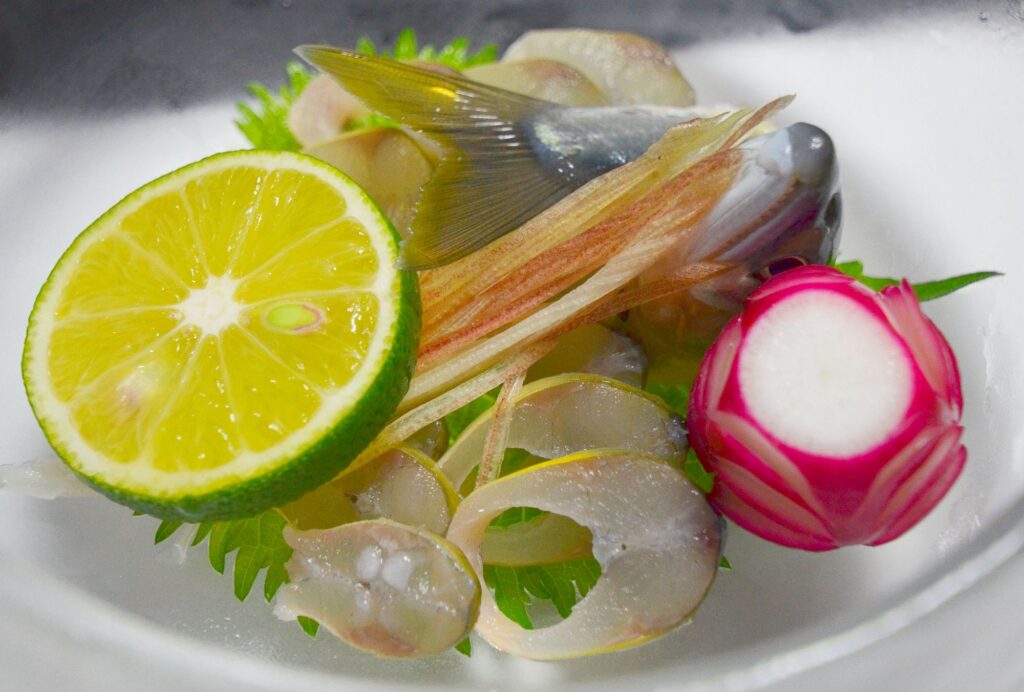
- 은어회 (sashimi) — sliced raw, often skin-on, with the bones soft enough to eat. This is where the watermelon scent comes through most directly, so try it first.
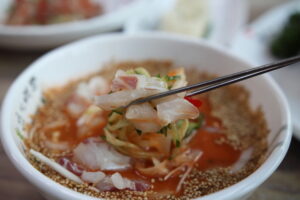
- 은어회무침 — raw euneo tossed in a tangy, spicy chili-vinegar dressing, more of a cold salad.
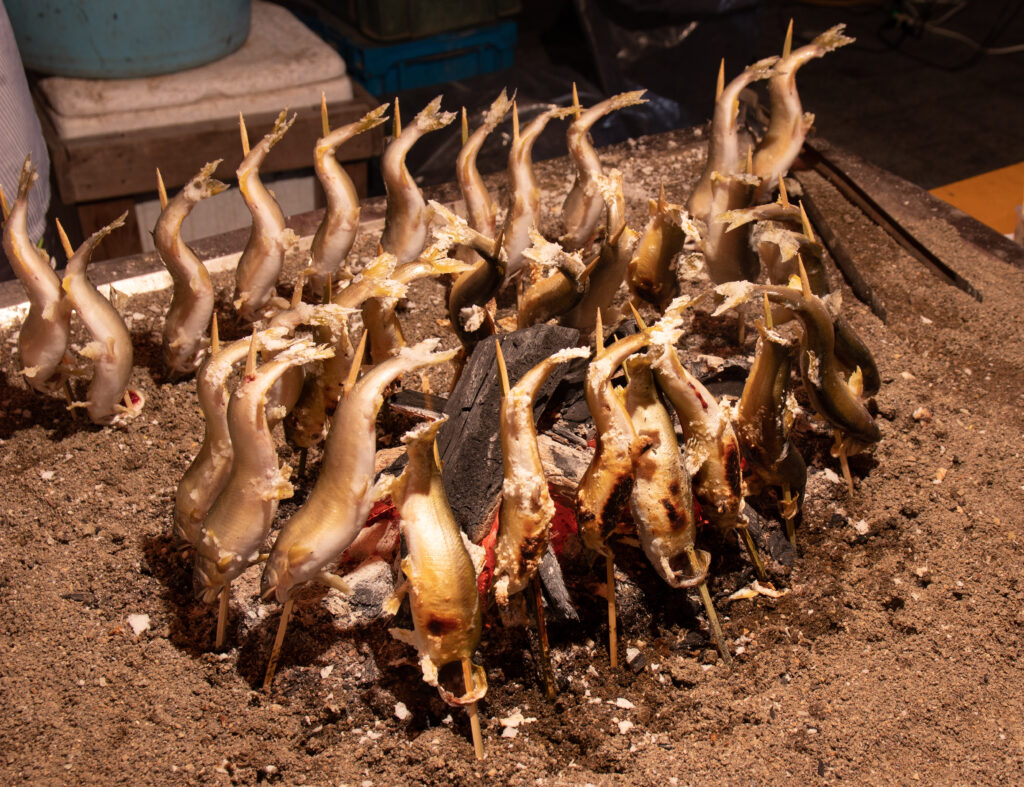
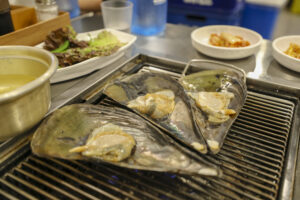
- 은어구이 (grilled) — salt-grilled whole over charcoal, often on a skewer. The skin crisps and the flesh stays clean and sweet.
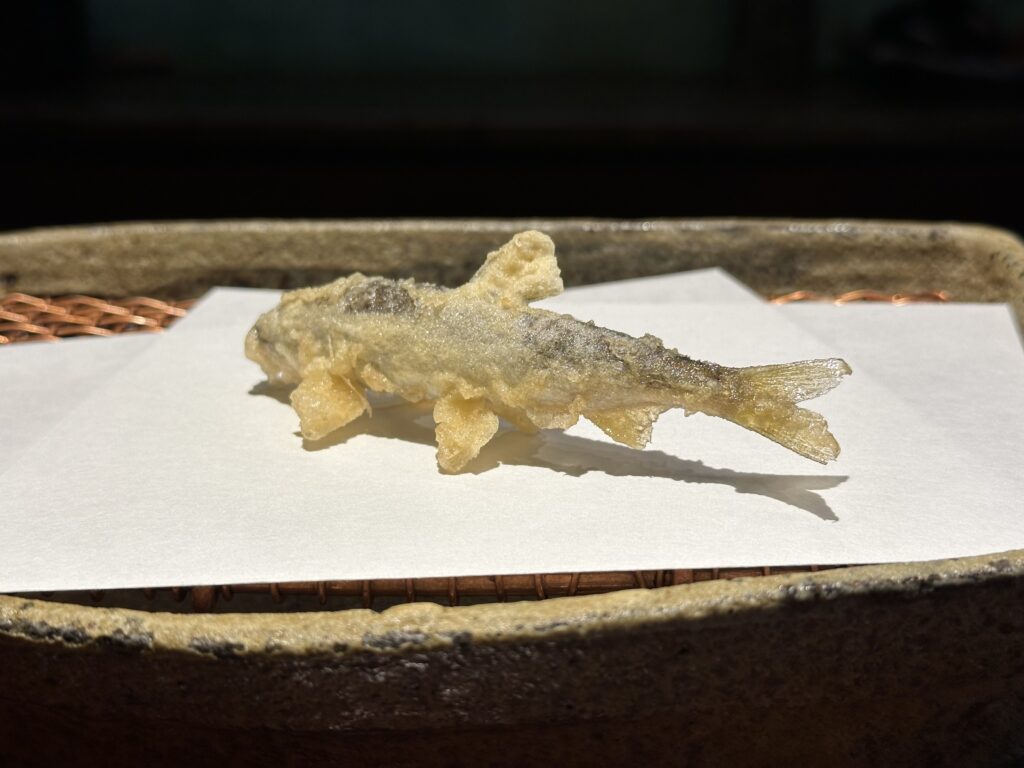
- 은어튀김 (fried) — battered and deep-fried; small fish are eaten bones and all.
- 은어밥 / 은어매운탕 — sweetfish rice (the fish cooked into or over rice) and a spicy stew, for a fuller meal.
Salt-grilled euneo is a natural cousin to Korea’s other water’s-edge summer cooking — if you’ve had jogae-gui, the charcoal-grilled clams of the west coast, this is the southern mountain-river version of the same idea: something pulled from the water and grilled within sight of it. (See our jogae-gui guide for that coastal half of Korea’s summer seafood.)
Where to find it
Euneo is inland, clean-river food, not a coastal beach trip. The KBS feature’s setting, the Boseong River in Gokseong-gun, Jeollanam-do, sits on the Seomjin-river corridor and is easy to pair with the Gokseong Train Village if you’re already in the area. The other renowned destination is the Gyeongho River (경호강) in Sancheong and Hamyang, Gyeongsangnam-do — often called Korea’s densest euneo habitat, with a fishing season running roughly mid-May to late August, summer fishing festivals, and riverside restaurants that keep live 씨은어 for visiting anglers. Wherever you go, eat it as fresh as you can: the fragrance that makes euneo special fades fast, so a riverside town in high summer is genuinely the place to have it. And if you’d rather fish than just eat, go through a local guide or restaurant — the decoy method and a 9–10 m rod aren’t casual bait-angling, and freshwater rules apply.

Leave a Reply