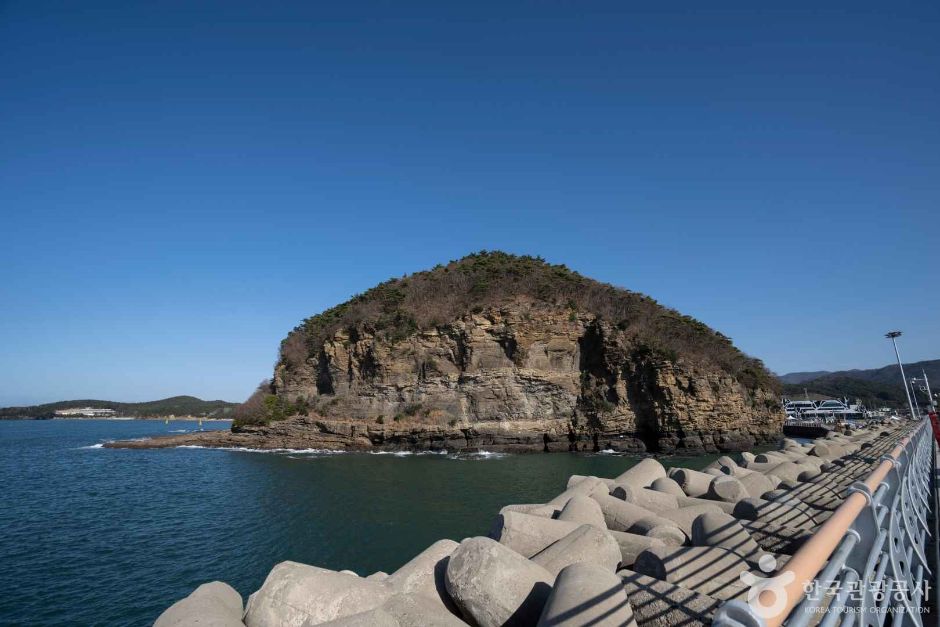

On Korea’s west coast, the sun does not rise out of the sea — it sinks into it. That single fact is why the Byeonsanbando Ecological Exploration Center (변산반도 생태탐방원) has quietly become one of the most fought-over places to spend a night in Buan. Run by the Korea National Park Service (국립공원공단) inside Byeonsanbando National Park, perched on the coast near Gyeokpo (격포), it offers something private oceanfront resorts charge a fortune for: a room that faces the West-Sea sunset (서해 낙조), at the price of a state-run facility.
But be clear about what this is before you fall for the view. It is not a hotel. It is a 생태탐방원 — an eco-education and “eco-welfare” stay run by the national park service, where lodging is offered in connection with a guided nature program, and where you book through one specific government system or not at all. Get those rules right and it is a genuinely excellent west-coast base. Expect a walk-in resort and you will be disappointed.
The setting: a quiet coast at the edge of a national park
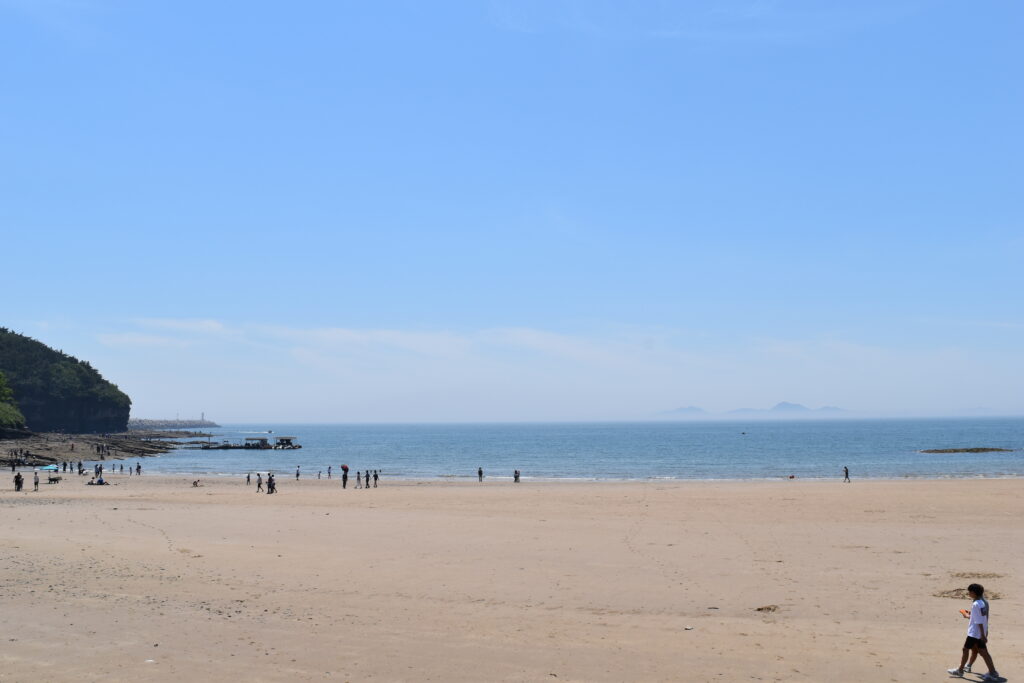
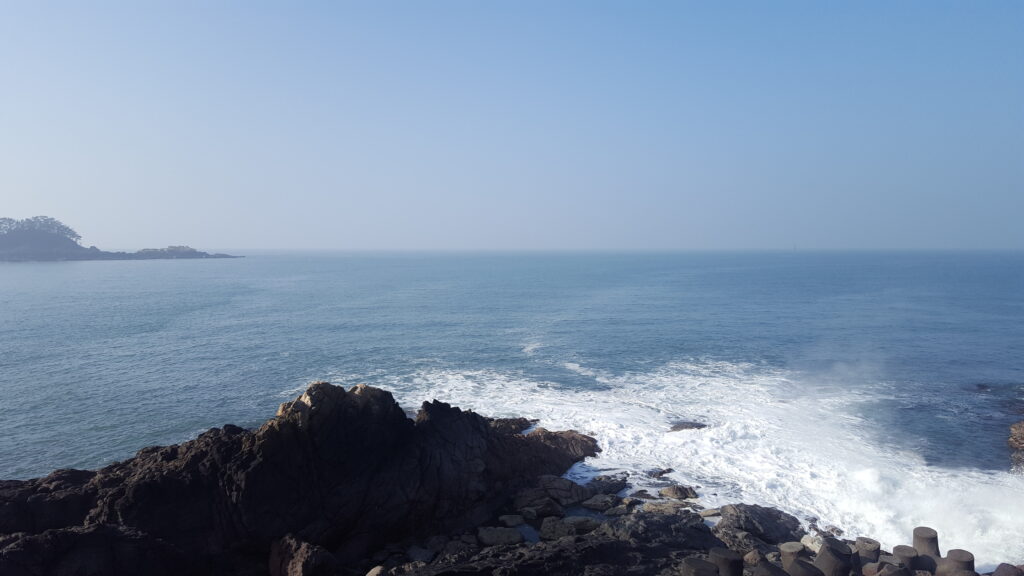
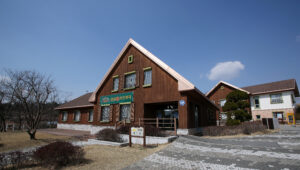
Byeonsanbando National Park (변산반도국립공원) is unusual in that it wraps both mountains and sea into one park on the Yellow Sea coast of Jeollabuk-do. The center sits right on the shoreline at 변산해변로 116, in Byeonsan-myeon, Buan-gun — close enough to Gyeokpo that an internal walking path links the grounds toward Gyeokpo Beach (격포해변), so you can step out for a short seaside stroll straight from your room. The headline feature is simple and real: the rooms are ocean-view, and the site faces west, so the whole place is built around watching the day end over the water. There are sea-view rooms plus indoor and outdoor sea-view terraces for guests.
The value, and the room types
Here is the official price table from the national-park reservation system (deptId B183001), per room, per night, with VAT charged separately and weekday rates lower than weekend or peak season:
- D-type (2 people): 33,000 won weekday / 40,000 weekend-peak
- A-type (4 people): 66,000 / 80,000
- B-type (6 people): 99,000 / 120,000
- C-type (8 people): 132,000 / 160,000
- “House of Nature” (자연의집, 3 people): 50,000 / 60,000
You will see different numbers floating around online — a popular YouTube video cites a “5-person room for 56,000 won,” and blogs repeat figures like 60,000 for four people or 90,000 for six. Treat all of these, including the table above, as base figures to verify at the moment you book: rates change, VAT is added on top, and weekday-versus-weekend tiers apply. The bottom line, though, holds in every version of the story — this is remarkable price-to-view for an oceanfront stay. The catch is never the cost. It is getting in.
How booking actually works (read this twice)
Because it is an eco-welfare education facility, the center is built around guided programs — seasonal forest and nature interpretation (숲 해설), and marine and coastal eco-experiences (해양·해안 생태 체험), typically running around two hours with a guide. Lodging is offered in connection with these programs rather than sold as a bare room, which is the standard 생태탐방원 model. For your specific date, confirm on the reservation system whether a program is bundled or required.
Three rules matter:
- One channel only. Book through the official Korea National Park Service reservation system (reservation.knps.or.kr / res.knps.or.kr, deptId B183001). Not through travel agencies, not by phoning for a walk-in.
- Reservations open on a fixed monthly schedule. Next month’s availability is widely reported to open on the 1st of the month, with the time commonly cited as 14:00 — but the official service-guide page does not print the hour, so treat it as “reportedly the 1st, around 14:00; confirm on the system.”
- It sells out in minutes. Ocean-view and weekend rooms reportedly vanish almost immediately. Log in early, keep a server-clock reference open, and have a ranked shortlist of room types picked in advance so you are clicking, not deciding, when booking opens.
House rules round out the expectations: check-in from 15:00, check-out by 11:00, and no in-room cooking, no smoking on the grounds, and no pets. This is not a private pension — pack accordingly.
If this sounds familiar, it should: the center is the West-Sea sibling of the Hallyeohaesang Ecological Exploration Center in Tongyeong, the same national-park eco-stay concept on the south coast. Together they make a neat little pair of Korea’s best-value ocean-view eco-stays.
What’s nearby
The center’s real strength is its position. Within a walk or a short drive you have some of Byeonsan’s signature sights:
- Chaeseokgang (채석강) — the layered, book-stacked sea cliffs by Gyeokpo, best at low tide, and one of Korea’s most photographed coastal formations. Jeokbyeokgang (적벽강) sits nearby.
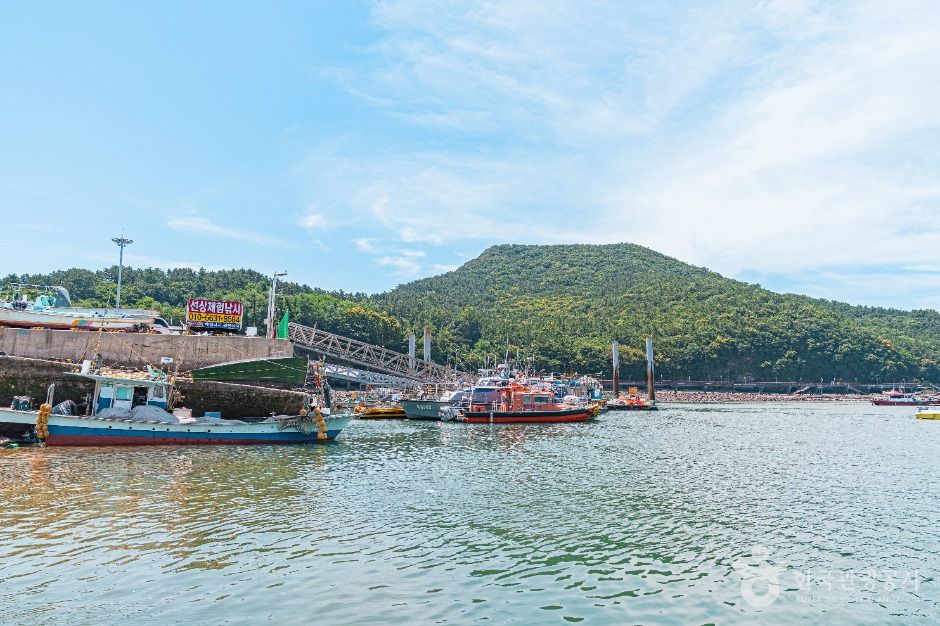
- Gyeokpo Port (격포항) — for fresh raw fish (회) and ferries.
- Naesosa (내소사) — a serene temple famous for its fir-tree approach path.
- Gomso (곰소) — the salt flats and port that produce 곰소젓갈, the region’s prized salted-and-fermented seafood.
- The Saemangeum (새만금) seawall — the long sea barrier road for a dramatic coastal drive.
Getting there
From Seoul, take an express or intercity bus from Central City Terminal (서울 센트럴시티) to Buan’s intercity bus terminal (부안시외버스터미널), roughly three hours, then a local bus or taxi out toward Byeonsan-myeon and Gyeokpo. Alternatively, take a train (KTX) to Jeongeup (정읍역) and connect by bus or taxi toward Buan and the coast. Honestly, though, a car is strongly recommended — Chaeseokgang, Naesosa, Gomso and Saemangeum are spread along the shoreline and far easier to string together by car than by infrequent local buses. For navigation, enter 전북 부안군 변산면 변산해변로 116. Just know that public transit out here is sparse, so plan around bus timetables or rent a car.
One West-Sea food note
Buan’s own specialties lean on the tidal flats. The local must-eat is baekhap-juk (백합죽), a delicate surf-clam porridge that is the area’s signature dish, alongside bajirak-juk and bajirak kalguksu (manila-clam porridge and knife-cut noodle soup); add Gomso’s salted seafood and seasonal webfoot octopus (주꾸미) and you have a full west-coast table. And for the classic West-Sea evening — sitting at the shore over a grill — the same coast a little to the north is famous for grilled shellfish (조개구이), the West Sea’s signature seaside meal, which travels perfectly with a sunset stay like this one.
The honest verdict: for a traveler who wants a quiet, scenic, affordable west-coast base and is happy to join a guided nature walk, the Byeonsanbando Ecological Exploration Center is a standout. For anyone expecting resort amenities, free-form check-in, or guaranteed availability, it is the wrong fit. Win the monthly booking race, though, and you get a national-park sunset over the Yellow Sea for the price of a public room — which is about as good as the west coast gets.
Where to eat near Byeonsanbando (Gyeokpo & Gomso)
The Byeonsan peninsula is salty-sea country: Gomso’s famous solar-salt fields gave rise to a whole cuisine of jeotgal (fermented seafood), while the tidal flats around Gyeokpo yield prized hard clams, baby octopus, and littleneck clams. Here are a few representative, long-running local tables.
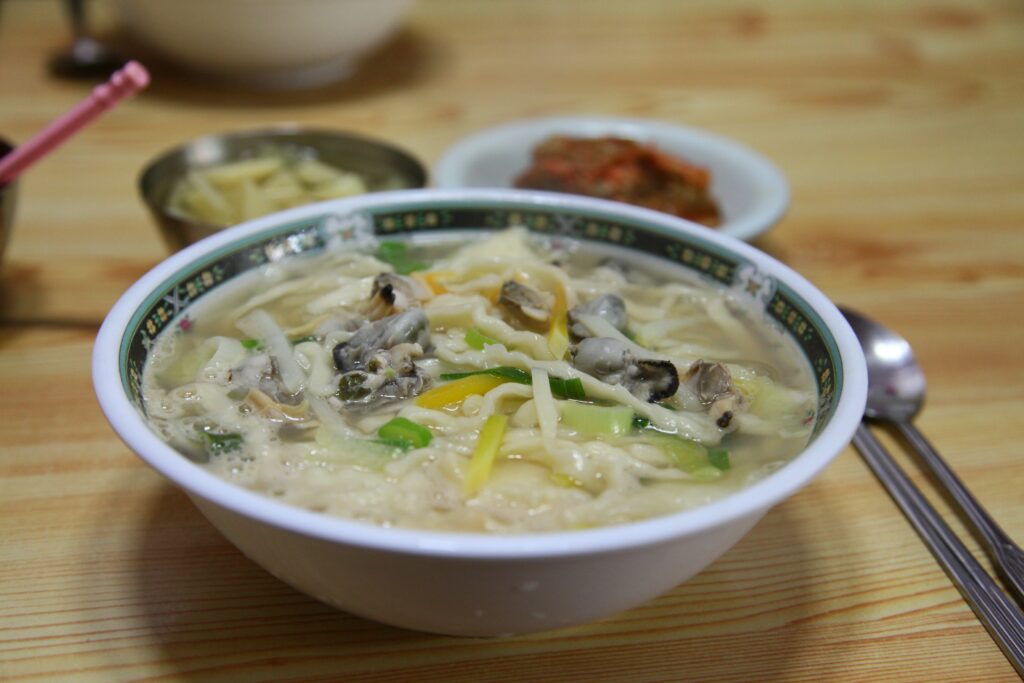
- 군산식당 (Gunsan Sikdang), by Gyeokpo Harbor near Chaeseokgang — go for the 백합정식 (baekhap jeongsik), a hard-clam feast of clam soup, clam porridge, and steamed clams. Open since 1992 and featured on the TV show Baekban Travels, it’s the area’s classic clam pick; portions and sets are sized for groups, so it’s pricier for one or two diners.
- 곰소 아리랑식당 (Gomso Arirang Sikdang), right in front of the Gomso seafood market — its 젓갈백반 (jeotgal baekban) arrives with ten-plus side dishes built around Gomso’s salted seafood, and the spicy 풀치백반 (young-hairtail set) is a local favorite. A roughly 30-year veteran that also appeared on Baekban Travels.
- 곰소포구식당 (Gomso Pogu Sikdang), at Gomso Harbor — another well-regarded spot for the 젓갈백반 fermented-seafood spread, with a big dining room and ample parking that make it easy for families and tour groups.
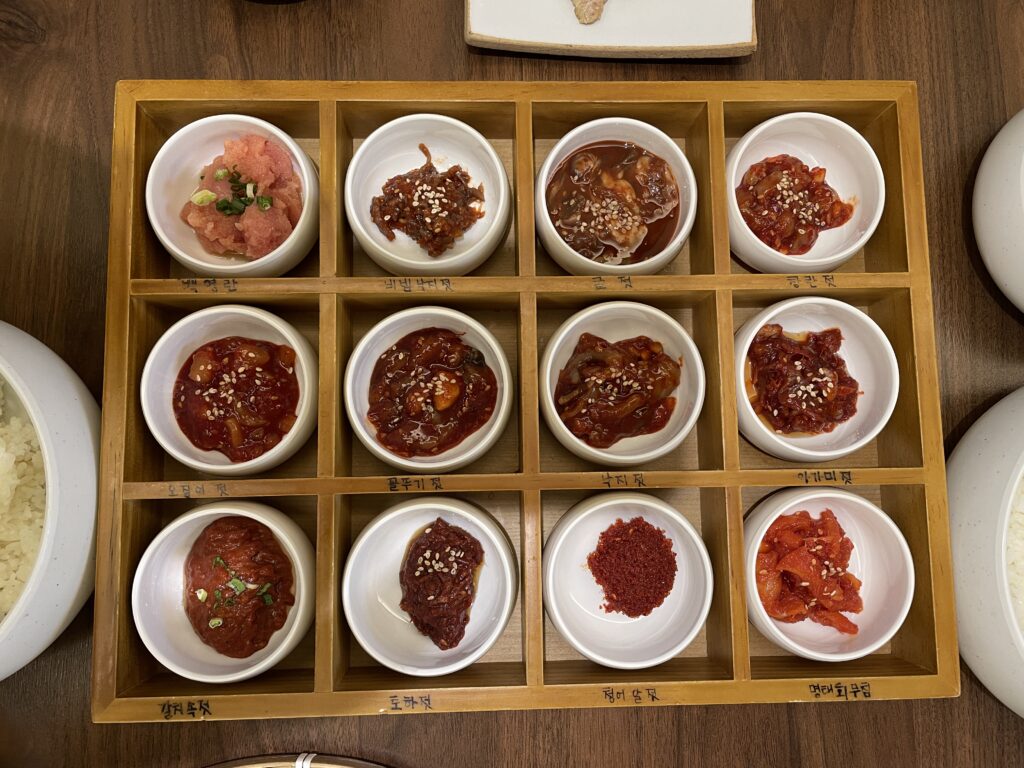
One honest note: these are small, family-run coastal eateries, and many close one day a week or shift hours by season. Please verify opening hours and closing days (and call ahead for the larger clam sets) before you visit.

Leave a Reply